Blog

Blogs are Here!

Can an Anti-Rattle Device Damage a Hitch Receiver

Can an Anti-Rattle Device Damage a Hitch Receiver?

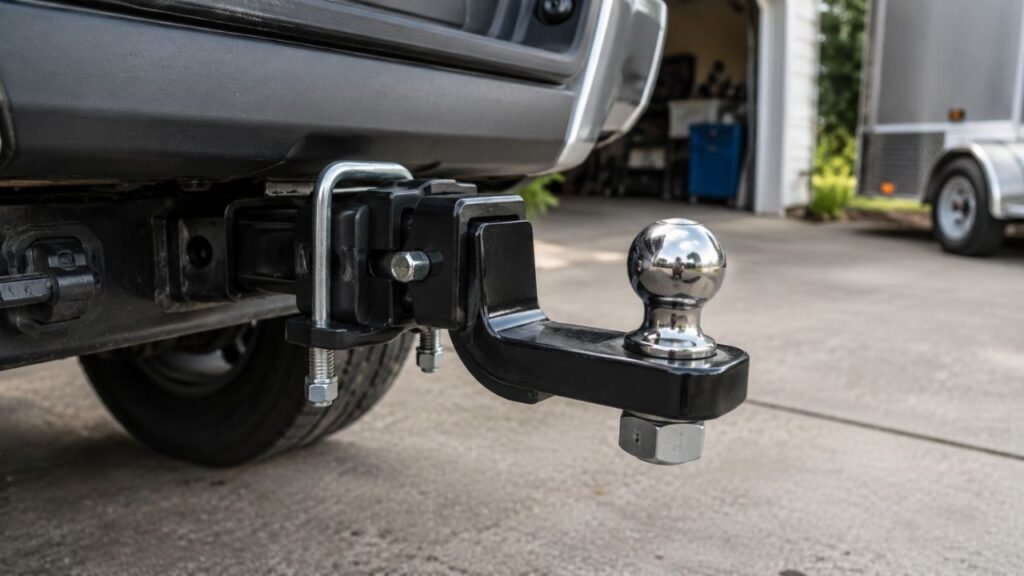
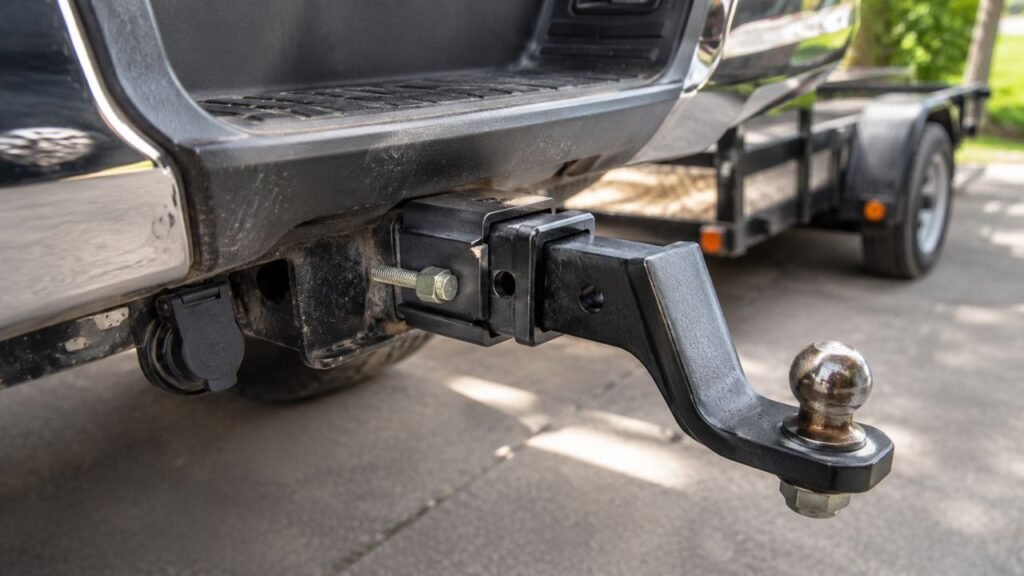
No, a properly sized and correctly installed anti-rattle device normally will not damage a healthy hitch receiver. In many cases, it can actually reduce wear by limiting the repeated movement and metal-to-metal impacts between the hitch shank and receiver tube. Problems usually appear when the device is over-tightened, installed incorrectly, used with incompatible equipment, or

Can an Anti-Rattle Device Damage a Hitch Receiver? Read More »

How Do You Install an Anti-Rattle Hitch Tightener

How Do You Install an Anti-Rattle Hitch Tightener?

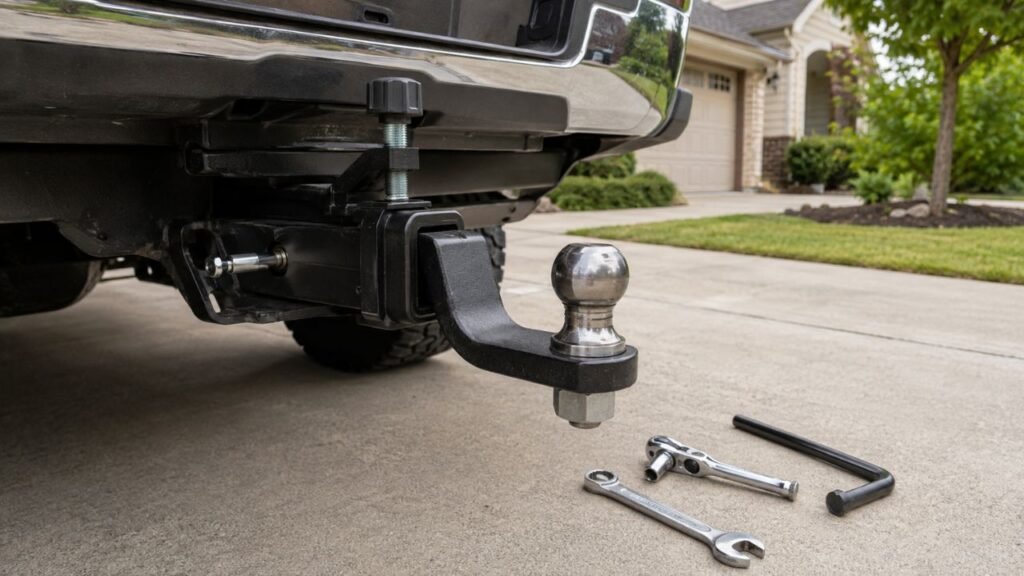
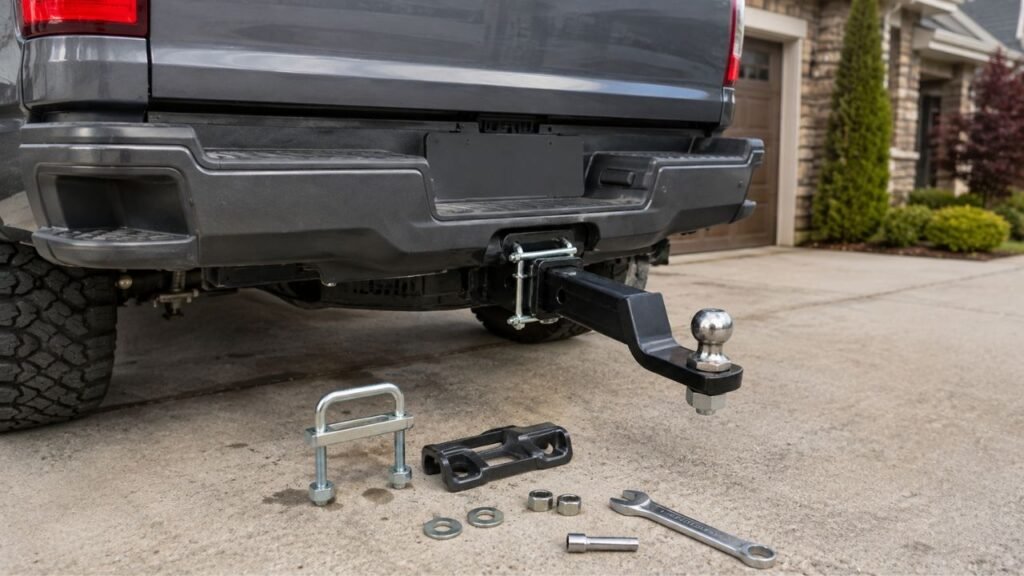
To install an anti-rattle hitch tightener, insert and secure your hitch accessory first. Then position the U-bolt and tightening plate near the receiver opening. Hand-tighten both nuts, then alternate between them with a wrench until unwanted hitch movement stops. The process is simple, but positioning and tightening matter. I’ll walk you through installation, compatibility checks,

How Do You Install an Anti-Rattle Hitch Tightener? Read More »

Why Is My Hitch Still Rattling With a Tightener Installed

Why Is My Hitch Still Rattling With a Tightener Installed?

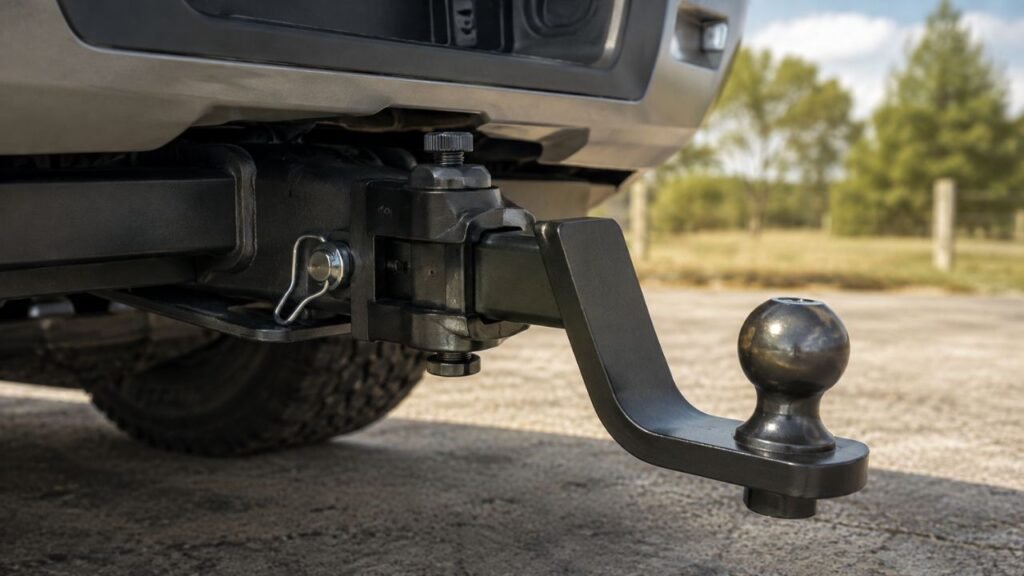
Your hitch may still rattle with a tightener installed because the clamp is loose, incorrectly positioned, mismatched to the receiver, or unable to control the movement causing the noise. Wear inside the receiver, a reducer sleeve, adjustable ball mount, hitch pin, coupler, or another towing component can also create rattling. In this guide, I’ll help

Why Is My Hitch Still Rattling With a Tightener Installed? Read More »

Scroll to Top