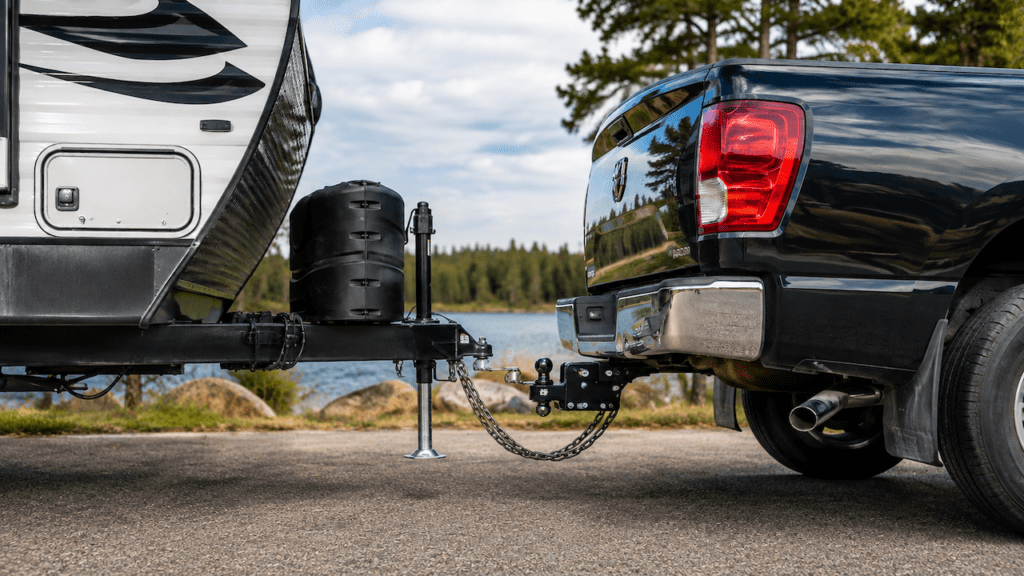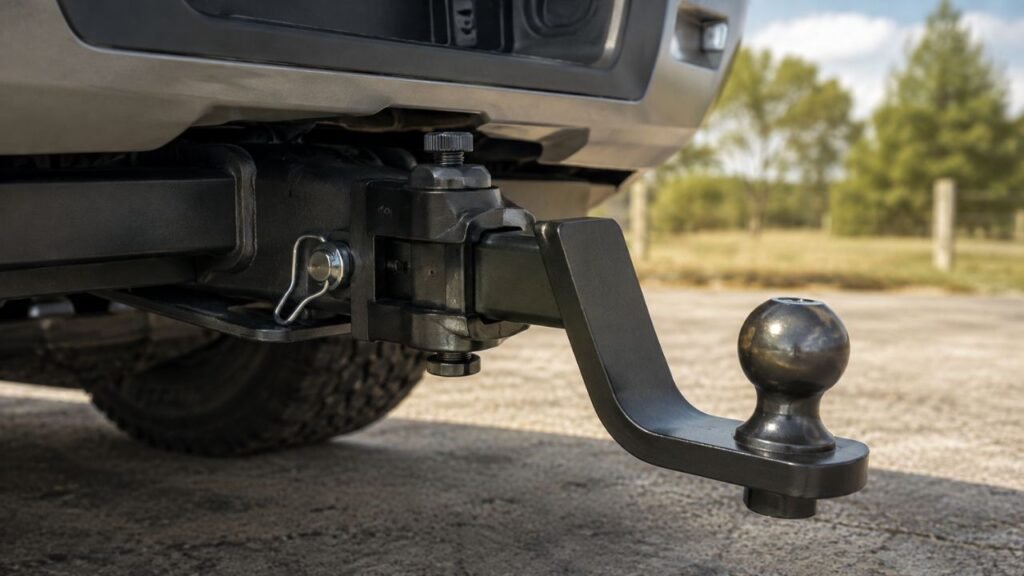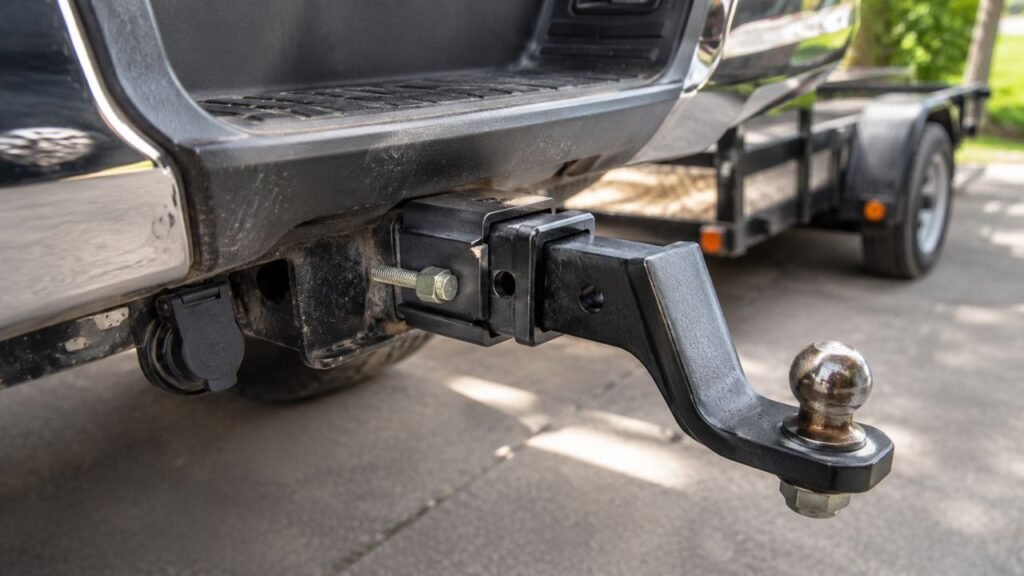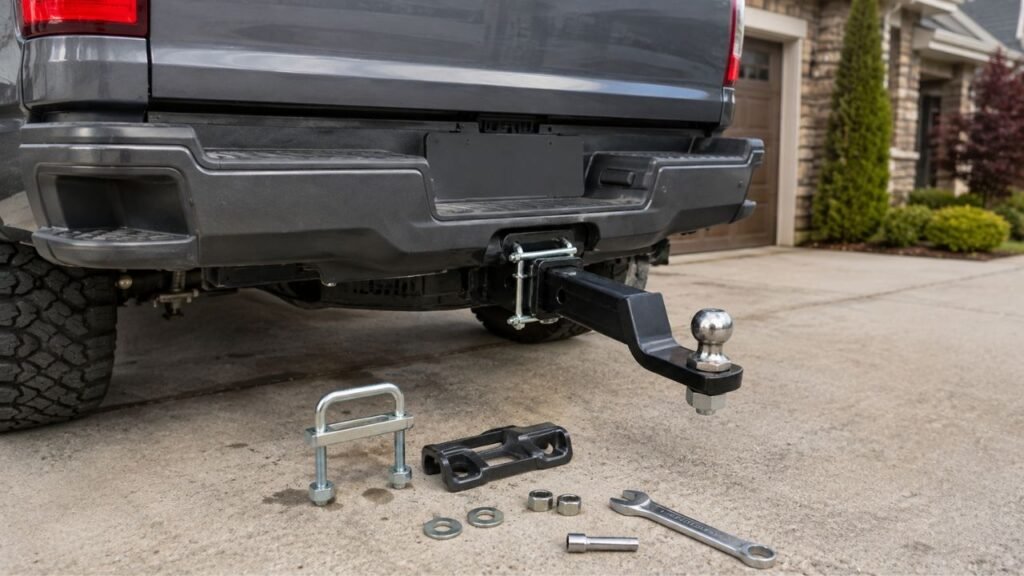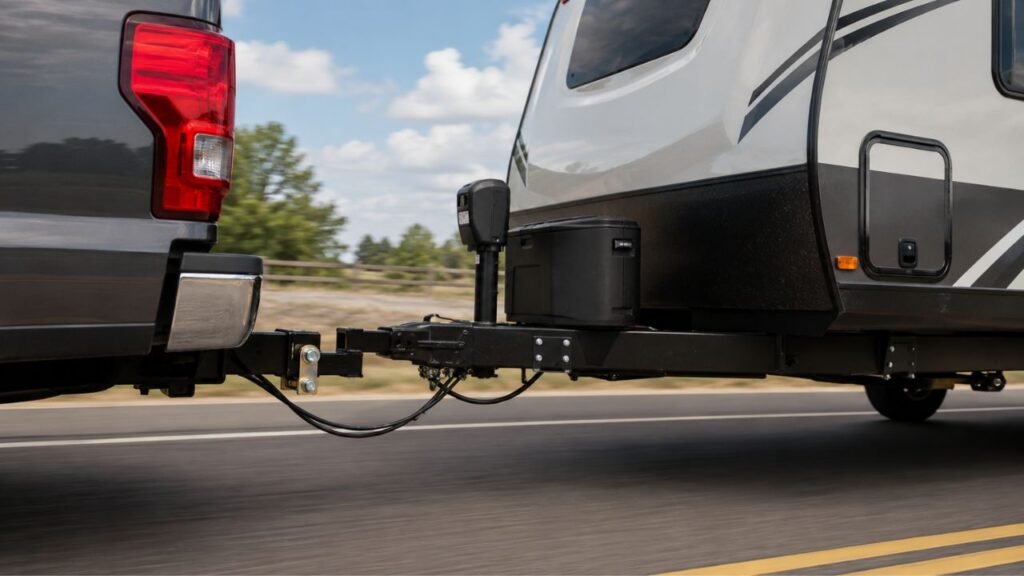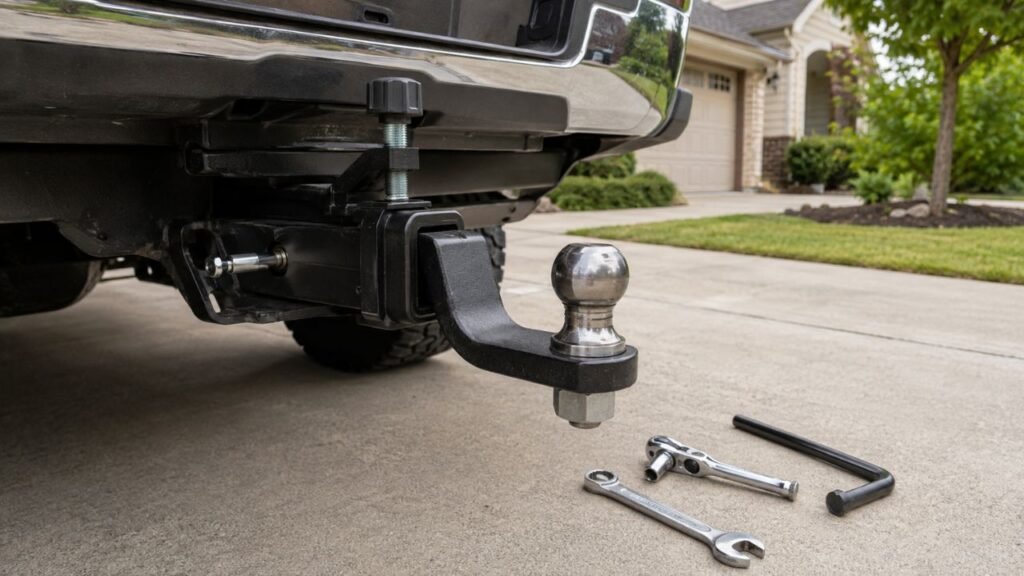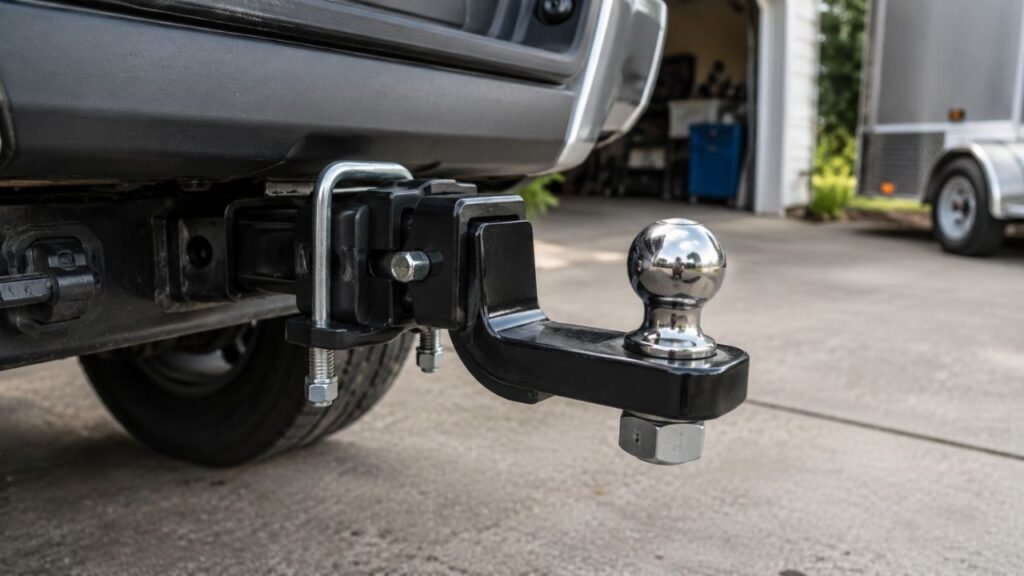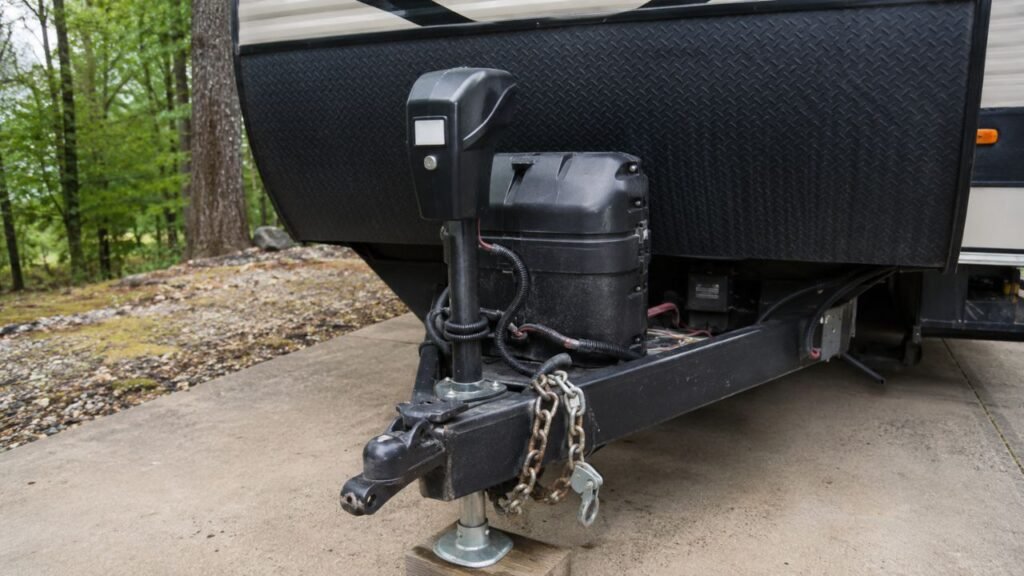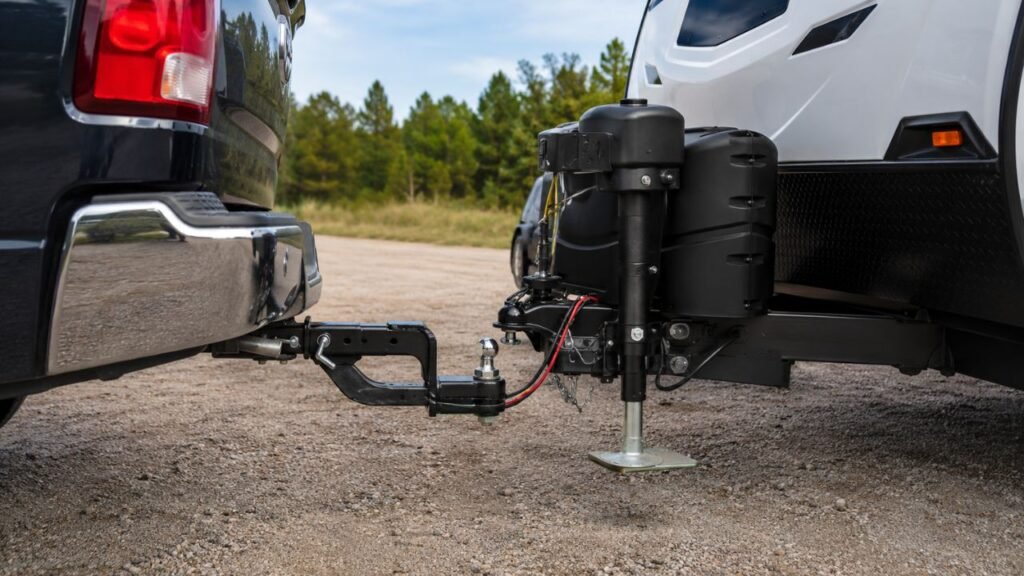
A little movement inside a hitch receiver is normal because the ball mount needs enough clearance to slide in and out. However, excessive play can come from worn pin holes, a worn shank, mismatched hitch sizes, reducer sleeves, loose mounting hardware, or damaged receiver components.
If your hitch feels unusually loose, clunks during braking, or moves more than it used to, I’ll help you narrow down exactly where that movement is coming from. We’ll also look at which fixes actually work and when replacement is the safer option.
Key Takeaways
- A small amount of hitch receiver play is usually normal.
- Excessive movement often comes from wear, poor fit, or loose hardware.
- First determine exactly which hitch connection is moving.
- A hitch tightener works well for normal receiver-to-shank clearance.
- Worn or elongated pin holes should not simply be tightened around.
- Reducer sleeves and hitch extensions can make movement more noticeable.
- Cracks, deformation, or receiver-to-frame movement require immediate attention.
Is Some Play in a Hitch Receiver Normal?
Yes, some play inside a hitch receiver is completely normal.
Your receiver tube and ball mount shank cannot have exactly identical dimensions. If they did, inserting and removing the ball mount would be extremely difficult, especially after dirt, rust, or road grime builds up.
Manufacturers therefore leave a small amount of clearance between the two pieces.
That clearance allows the ball mount, bike rack, cargo carrier, or other hitch accessory to slide into the receiver easily.
Because of that gap, you may be able to grab an unloaded ball mount and move it slightly up, down, or side-to-side.
You might also hear a small rattle while driving over rough pavement.
That alone does not mean your hitch receiver is damaged.
What matters is whether the movement appears excessive, has increased over time, produces hard clunking, or comes from a structural part of the hitch.
Those signs deserve a closer inspection.
How Much Hitch Receiver Play Is Too Much?
There isn’t one universal measurement that tells you whether every hitch has too much play. Instead, look at where the movement occurs, how severe it feels, and whether the hitch components show visible wear.
| What You Notice | Possible Cause | Concern Level | What to Inspect |
| Slight up/down shank movement | Normal receiver clearance | Usually low | Receiver and shank condition |
| Slight side-to-side movement | Normal manufacturing tolerance | Usually low | Shank fit |
| Loud clunk during braking | Fore-and-aft movement | Moderate | Hitch pin and pin holes |
| Receiver moves against vehicle | Loose hardware or structural issue | High | Frame mounting bolts |
| Oval-shaped pin hole | Wear or deformation | High | Receiver and ball mount |
| Movement increased over time | Progressive wear | Moderate to high | Entire hitch connection |
| Excessive play with reducer sleeve | Multiple clearance points | Moderate | Sleeve and ball mount |
| Cracked or bent receiver | Structural damage | High | Stop towing and inspect |
The important distinction is between clearance and wear.
A hitch that has always had a small amount of movement may simply have normal manufacturing clearance. A hitch that suddenly becomes much looser deserves more attention.
Why Does My Hitch Receiver Have Excessive Play?
Several different problems can make a receiver feel loose. Finding the exact cause first will save you from installing an anti-rattle device where it doesn’t actually solve the underlying problem.
Normal Clearance Between the Receiver and Ball Mount
The most common cause is simply the small gap between your receiver tube and ball mount.
For example, a 2-inch ball mount needs to slide into a 2-inch receiver without getting stuck.
That means the actual dimensions cannot create a perfectly tight interference fit.
A little movement is therefore expected.
You may notice it most when the trailer is disconnected because there is no tongue weight pressing the shank against one side of the receiver.
Normal clearance becomes more noticeable on rough roads because the shank repeatedly moves inside the receiver.
If the steel looks healthy and the movement has not increased significantly, an anti-rattle device may be all you need.
The Ball Mount or Accessory Is the Wrong Size
Sometimes excessive play happens because the accessory shank does not properly match the receiver.
Common receiver sizes include:
- 1-1/4 inches
- 2 inches
- 2-1/2 inches
- 3 inches
A smaller shank should never simply float inside a larger receiver.
You need the correct manufacturer-approved reducer or adapter when combining different sizes.
If you recently changed ball mounts, bike racks, cargo carriers, or other hitch accessories and suddenly noticed more play, verify the shank size first.
The problem may be compatibility rather than receiver wear.
A Reducer Sleeve or Adapter Is Adding More Movement
Reducer sleeves are useful, but they create another connection inside the hitch system.
Instead of having:
receiver → ball mount
you now have:
receiver → reducer sleeve → ball mount
Each connection needs a little clearance.
Those small gaps can combine and create noticeably more movement at the end of the ball mount.
The same problem can happen with stacked adapters.
Even when every component is technically compatible, several connections together may create more wobble than one properly sized ball mount.
If you regularly tow with the same setup, using a ball mount that directly matches your receiver can sometimes produce a tighter connection.
The Hitch Pin or Pin Hole Is Worn
One area I would inspect carefully is the hitch pin connection.
When you accelerate, brake, climb hills, or travel over uneven roads, towing forces repeatedly change direction.
Those forces can push the ball mount against the hitch pin.
Over many miles, that movement can wear the hitch pin or the holes it passes through.
Look at both sides of the receiver.
A healthy hitch pin hole should remain reasonably round.
If the hole is starting to look oval or stretched front-to-back, the connection has experienced wear.
You should also inspect the hole in the ball mount.
Sometimes the receiver is fine while the cheaper, replaceable ball mount has developed the wear.
Replacing the worn component is usually better than trying to hide the problem with a hitch tightener.
The Ball Mount Shank Has Worn Down
The ball mount itself can also wear where it contacts the inside of the receiver.
Remove the ball mount and inspect all four sides of the square shank.
Shiny areas are not necessarily a problem. Some polished metal is normal because the shank naturally rubs against the receiver.
What you are looking for is actual material loss.
Deep grooves, noticeably rounded corners, uneven thinning, or severe rust can increase the clearance between the two components.
If you have another properly sized ball mount available, insert it into the receiver.
If the replacement fits much tighter, your original ball mount may be the real problem.
The Receiver Tube Is Worn or Deformed
The receiver itself can eventually develop wear.
This deserves more attention because replacing a receiver is usually more involved than replacing a ball mount.
Inspect the opening carefully.
Look for:
- Distorted edges
- Spread or flared steel
- Deep grooves
- Severe corrosion
- Cracks
- Bent sections
- Damaged welds
- Elongated hitch pin holes
A receiver should not look twisted or visibly distorted.
If you suspect structural damage, I would avoid trying to clamp the problem tighter and continue towing.
Have the receiver inspected before placing significant towing loads on it again.
The Receiver Mounting Bolts Are Loose
This is a very different problem from normal shank movement.
The ball mount may move slightly inside the receiver.
The entire receiver assembly should not move against your truck, SUV, or vehicle frame.
Have someone carefully move the ball mount while you watch where the receiver attaches to the vehicle.
If the complete hitch assembly shifts, check the receiver mounting hardware.
Loose bolts can produce clunking that sounds almost identical to a loose ball mount.
Use the torque specifications provided by the hitch or vehicle manufacturer.
Avoid guessing at bolt torque because receiver mounting hardware varies by vehicle and hitch design.
Hitch Extenders and Drop/Rise Adapters Are Amplifying Movement
A small amount of movement close to the receiver can look much larger several inches farther back.
Think of a long lever.
A tiny change in angle at one end creates more visible movement at the other end.
That is why long ball mounts, hitch extensions, adjustable assemblies, and stacked adapters may appear especially loose.
This does not automatically mean the receiver is defective.
However, extensions and adapters can add connection points and leverage.
Check every individual joint rather than assuming all the play originates inside the receiver.
How to Find Exactly Where the Hitch Play Is Coming From
Before buying anything, spend a few minutes identifying which component actually moves. This simple inspection can prevent you from solving the wrong problem.
- Park on level ground. Secure the vehicle and trailer before inspecting anything.
- Grab the ball mount. Move it gently up, down, left, and right.
- Check front-to-back movement. Push and pull the shank carefully.
- Watch the receiver opening. Determine whether only the ball mount moves or the entire receiver assembly shifts.
- Remove the ball mount. Inspect the shank for grooves, rust, deformation, or noticeable material loss.
- Inspect both hitch pin holes. Look for oval shapes, cracking, or unusual wear.
- Inspect the hitch pin. Check for bending, deep grooves, rust, or thinning.
- Confirm component sizes. Verify that the ball mount matches the receiver size.
- Inspect any reducer sleeve. Remove it and check both the sleeve and receiver.
- Check adapters separately. Extensions and adjustable mounts can introduce movement at additional joints.
- Inspect receiver mounting hardware. Make sure the receiver itself isn’t moving relative to the vehicle.
- Check the coupler connection separately. Movement between the hitch ball and trailer coupler is a different issue.
Once you know exactly which joint moves, choosing the right repair becomes much easier.
Hitch Receiver Play vs. Ball-and-Coupler Play
Not every movement you feel at the hitch actually comes from the receiver.
Your towing setup contains several connections.
The ball mount can move inside the receiver, but the trailer coupler can also move around the hitch ball.
Adjustable ball mounts may have movement between their channels and pins. Weight distribution hitches introduce even more connection points.
If you hear clunking, watch each connection while someone gently moves the trailer or ball mount.
Do not automatically blame the receiver just because the noise comes from the rear of your vehicle.
Identifying the exact moving joint is the most important part of troubleshooting hitch play.
How to Fix Excessive Hitch Receiver Play
Once you’ve identified the source, choose a fix that addresses that specific problem. A stabilizer works well for normal clearance, but damaged components usually need repair or replacement.
Install an Anti-Rattle Hitch Tightener for Normal Shank Clearance
For normal receiver-to-shank clearance, a hitch tightener is one of the simplest solutions.
Most clamp-style designs use a U-bolt and plate to pull the ball mount tightly against one side of the receiver.
That removes much of the small gap responsible for rattling and wobbling.
These devices work especially well with:
- Ball mounts
- Cargo carriers
- Bike racks
- Hitch trays
- Other receiver-mounted accessories
Make sure the tightener matches your receiver size and intended use.
Also remember that a hitch tightener does not repair damaged steel.
If your pin holes are severely worn or the receiver is cracked, clamping everything tightly does not restore the hitch’s original condition.
Use a Compatible Threaded or Anti-Rattle Hitch Pin
Some hitch accessories use threaded anti-rattle pins.
Instead of allowing the accessory to float around the pin, the threaded design pulls the shank tightly toward one side of the receiver.
This can significantly reduce movement.
However, compatibility matters.
Do not assume any threaded hitch pin will work with a standard ball mount.
Some accessories have internal threaded blocks, nuts, or specific hardware designed for their anti-rattle system.
Use the pin type recommended for your hitch accessory.
Correct a Receiver and Shank Size Mismatch
If the shank is too small for your receiver, correct that first.
Use either:
- A ball mount that directly matches the receiver
- The proper manufacturer-approved reducer
- A correctly sized accessory
Do not use improvised pieces of metal to fill the gap.
You want the accessory centered and supported by components designed for towing loads.
Replace a Worn Hitch Pin
A hitch pin is relatively inexpensive compared with most towing components.
If the pin is visibly bent, deeply grooved, heavily corroded, or significantly worn, replacing it makes more sense than trying to compensate for the looseness.
Always match the correct pin diameter to your receiver.
A pin that is too small can create additional movement and concentrate loading against the edges of the pin hole.
Replace a Worn Ball Mount
If your receiver looks healthy but the ball mount is badly worn, replacing the ball mount may solve the problem immediately.
This is worth checking before assuming you need a new receiver.
Compare the old shank with another correctly sized ball mount.
If the replacement feels significantly tighter, the old shank has likely contributed to the excessive clearance.
Re-Torque Loose Receiver Mounting Hardware
If the entire hitch receiver moves against the vehicle, inspect the mounting hardware.
Use your hitch manufacturer’s installation instructions or vehicle specifications for the proper torque values.
Do not simply tighten every bolt as hard as possible.
Over-tightening can damage hardware or mounting points just as under-tightening can allow movement.
If bolts repeatedly loosen, have the installation inspected rather than continuously tightening them.
Replace or Professionally Inspect a Damaged Receiver
A receiver with serious structural damage should not be treated as a rattle problem.
Consider professional inspection when you find:
- Cracks
- Bent receiver steel
- Severe corrosion
- Distorted mounting brackets
- Severely elongated pin holes
- Damaged welds
- Receiver movement against the vehicle
Depending on the damage, replacement may be safer than attempting a local repair.
This is especially important on a receiver used for towing heavy trailers.
Can a Hitch Tightener Fix Every Type of Receiver Play?
No. A hitch tightener mainly removes normal clearance between a healthy receiver and a healthy accessory shank.
It does not repair worn or damaged hitch components.
For example, a tightener should not be considered the proper fix for an elongated pin hole, cracked receiver tube, bent ball mount, loose frame mounting bolts, or severely corroded hitch.
You may be able to make the connection feel tighter temporarily, but the damaged component is still there.
Think of an anti-rattle device as a stabilizer rather than a structural repair.
If your hitch still rattles even after installing one, inspect the pin, shank, adapters, coupler, and receiver mounting points individually.
Is Excessive Hitch Receiver Play Dangerous?
A little receiver clearance usually isn’t dangerous by itself. The concern begins when excessive movement comes from wear, deformation, loose mounting hardware, or damaged components.
Watch for these warning signs:
- The receiver moves relative to the vehicle.
- The hitch pin holes look noticeably oval.
- The receiver tube is bent or distorted.
- Welds show visible cracking.
- Movement suddenly becomes much worse.
- Hitch pins repeatedly bend or wear.
- The ball mount slams forward and backward.
- Severe corrosion has reduced the steel thickness.
- The accessory no longer slides or pins normally.
If you see any of these conditions, I would inspect the hitch before towing again.
Normal rattling is annoying.
Structural movement is something you should take more seriously.
Why Does My Hitch Clunk When I Brake or Accelerate?
A clunk during braking or acceleration commonly happens because the ball mount can move forward and backward inside the receiver.
When you accelerate, towing forces pull the ball mount toward one side of its available clearance.
When you brake, the load direction changes.
The shank or hitch pin then contacts the opposite surface, producing the clunk you hear.
The more clearance there is, the more noticeable that impact can become.
A hitch tightener may reduce this movement when everything is otherwise in good condition.
However, heavy clunking should also make you inspect the hitch pin and both pin holes for wear.
Can Receiver Play Cause Trailer Sway or Poor Towing?
Receiver play can add unwanted movement to the towing connection, but it is usually not the main cause of trailer sway.
Trailer sway has many possible causes, including improper tongue weight, poor loading, excessive speed, tire problems, crosswinds, or an incorrectly adjusted hitch setup.
Still, excessive receiver movement can make the towing connection feel less precise.
The effect becomes more noticeable when you use long extensions, multiple adapters, or several loose joints together.
If your trailer sways, inspect receiver play, but also evaluate the complete towing setup instead of treating the receiver as the only cause.
Should I Use a Reducer Sleeve If My Hitch Has Too Much Play?
A reducer sleeve is designed to make a smaller accessory compatible with a larger receiver.
For example, it may allow a 2-inch ball mount to fit inside a 2-1/2-inch receiver.
It is not normally meant to repair excessive looseness between two components that are already the same nominal size.
Using a reducer also introduces another contact surface.
That means you may feel movement between the receiver and sleeve plus additional movement between the sleeve and ball mount.
If excessive play is bothering you and you regularly use the same towing setup, a ball mount that directly matches the larger receiver may provide a cleaner connection.
Fixes I Would Avoid for a Loose Hitch Receiver
Some quick fixes may quiet the hitch temporarily, but I would avoid modifications that can compromise the fit or structure of a rated towing component.
- Do not wedge random pieces of metal around the ball mount.
- Do not treat electrical tape as a structural towing repair.
- Do not use an undersized hitch pin because it passes through the hole.
- Do not drill larger pin holes without manufacturer guidance.
- Do not weld washers around worn pin holes without manufacturer approval.
- Do not weld over receiver cracks and continue towing.
- Do not grind the shank simply to force incompatible parts together.
- Do not use an anti-rattle clamp to hide severe pin-hole wear.
I would be especially cautious about welding modifications onto the receiver.
A hitch is a load-bearing component.
Changing the steel, welds, or mounting structure may affect how those towing loads travel through the receiver.
When structural repair is needed, consult the hitch manufacturer or a qualified professional.
How to Prevent Hitch Receiver Play From Getting Worse
You can’t eliminate every bit of normal receiver clearance, but good maintenance can prevent unnecessary wear.
- Match your receiver, ball mount, and hitch pin sizes correctly.
- Avoid unnecessary stacked adapters.
- Limit hitch extensions when they are not needed.
- Inspect pin holes periodically.
- Check the hitch pin for grooves or bending.
- Remove the ball mount occasionally and inspect the shank.
- Keep heavy rust from developing inside the receiver.
- Inspect receiver mounting bolts periodically.
- Use compatible anti-rattle equipment for normal clearance.
- Replace worn ball mounts rather than compensating indefinitely.
- Stay within the towing limits of every component.
- Inspect the receiver after impacts, accidents, or severe overloading.
A quick inspection before longer towing trips can catch small problems before they become expensive ones.
When Should I Replace the Hitch Receiver?
You do not need to replace a receiver just because your ball mount wiggles slightly.
Replacement becomes more appropriate when there is evidence that the receiver itself has lost structural integrity.
Consider replacement or professional evaluation if you find:
- Cracks in the receiver
- Severe pin-hole elongation
- Bent or distorted steel
- Heavy structural corrosion
- Broken or questionable welds
- Damaged mounting brackets
- Persistent receiver-to-vehicle movement
- Damage from a crash or severe overload
If you are unsure whether a worn pin hole or damaged section is still safe, having it professionally inspected is better than guessing.
The receiver carries real towing loads, so structural damage deserves more attention than ordinary hitch rattle.
Final Words
A little play in your hitch receiver usually doesn’t mean anything is wrong. The ball mount needs some clearance to slide into the receiver, so minor movement is part of how most receiver hitches fit together.
What you want to watch for is movement that becomes excessive, suddenly gets worse, or comes with visible wear.
Start by identifying exactly which joint moves. If you’re dealing with normal receiver-to-shank clearance, a compatible hitch tightener or anti-rattle system can work well.
If you find elongated pin holes, loose receiver mounting hardware, cracks, bending, or serious wear, repair or replace the damaged component instead of simply tightening around it.
Related FAQs
How Much Play Is Normal in a Hitch Receiver?
A small amount of up-and-down or side-to-side movement is normal because the ball mount needs clearance inside the receiver. There is no single universal acceptable measurement, so inspect the hitch for increasing movement, damage, or abnormal wear instead.
Why Does My 2-Inch Ball Mount Wiggle in a 2-Inch Receiver?
A 2-inch ball mount can still wiggle inside a 2-inch receiver because those dimensions are nominal sizes, not perfectly identical measurements. Manufacturers leave enough clearance for the shank to slide in and out without binding.
Will a Hitch Tightener Stop All Receiver Movement?
A hitch tightener can remove much of the movement caused by normal clearance between the shank and receiver. It cannot properly repair worn pin holes, bent parts, cracked steel, loose receiver bolts, or incompatible hitch components.
Why Does My Hitch Move Forward and Back?
Front-to-back hitch movement usually comes from clearance around the ball mount and hitch pin. If the movement is severe or has increased over time, inspect the pin and both pin holes for wear or elongation.
Can a Worn Hitch Pin Hole Cause Excessive Play?
Yes. Repeated towing loads can gradually stretch or elongate a hitch pin hole, allowing more front-to-back movement. If the hole looks noticeably oval or damaged, have the affected component inspected and replace it when necessary.
Does a Reducer Sleeve Make a Hitch Looser?
A reducer sleeve can introduce additional clearance because you now have two sliding connections instead of one. A small amount of extra movement may therefore be noticeable, especially when several adapters are used together.
Can I Tow With an Elongated Hitch Pin Hole?
A clearly elongated hitch pin hole indicates wear and should not be ignored. How serious it is depends on the extent and location of the damage, so have the receiver or ball mount inspected before continuing to tow significant loads.
Should I Weld a Washer Around a Worn Hitch Pin Hole?
I would not modify a rated hitch receiver by welding washers around worn pin holes without approval from the hitch manufacturer or guidance from a qualified professional. Structural modifications can change how towing forces are transferred through the receiver.
Why Does My Hitch Still Rattle After Installing an Anti-Rattle Tightener?
The noise may be coming from somewhere besides the receiver-to-shank connection. Check the hitch pin, adjustable ball mount, reducer sleeve, trailer coupler, safety chains, receiver mounting bolts, and other hitch joints for remaining movement.

Ryan Mitchell writes for readers who prefer independent travel and practical outdoor motorhome living. His how-to guides and reviews focus on simplicity, durability, and real value. He brings a calm, hands-on perspective to every topic.