Blog

Blogs are Here!

Steel vs Aluminum Hitch Cargo Carrier

Steel vs Aluminum Hitch Cargo Carrier: Strength, Weight, and Rust Compared

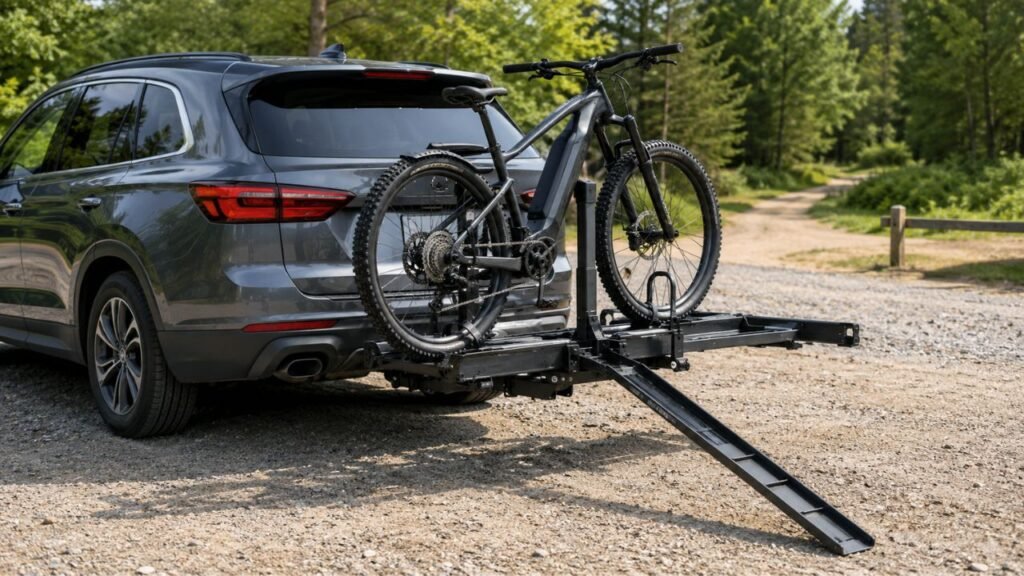
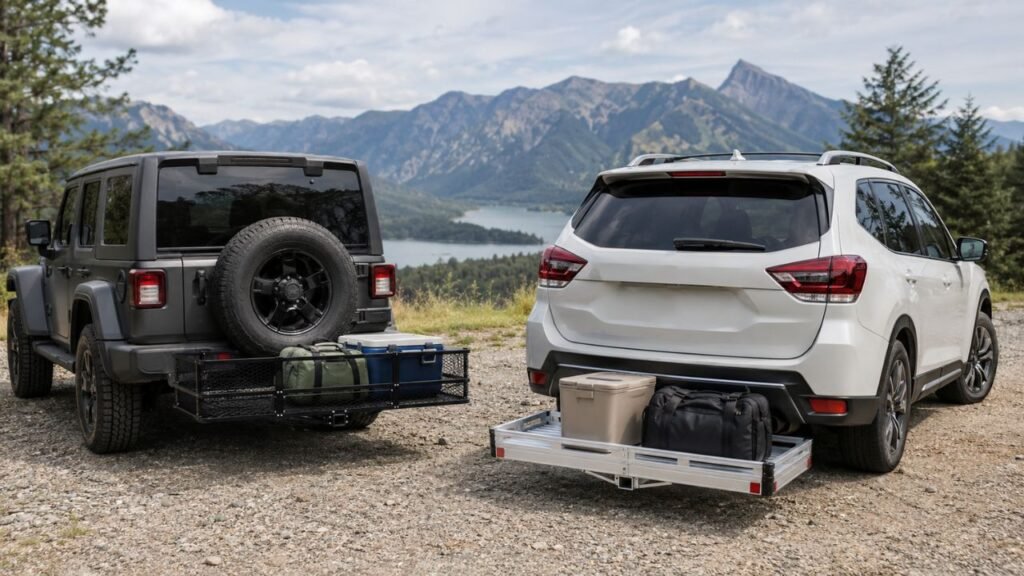
Steel hitch cargo carriers are usually heavier, less expensive, and built for rugged use. Aluminum carriers are generally lighter, easier to handle, and more resistant to corrosion. However, steel does not automatically carry more weight. The carrier’s actual load rating, construction, hitch rating, and vehicle limits matter more than material alone. In this guide, I’ll […]

Steel vs Aluminum Hitch Cargo Carrier: Strength, Weight, and Rust Compared Read More »
Hitch Cargo Carrier vs Roof Cargo Box

Hitch Cargo Carrier vs Roof Cargo Box: Which Changes Vehicle Handling More?

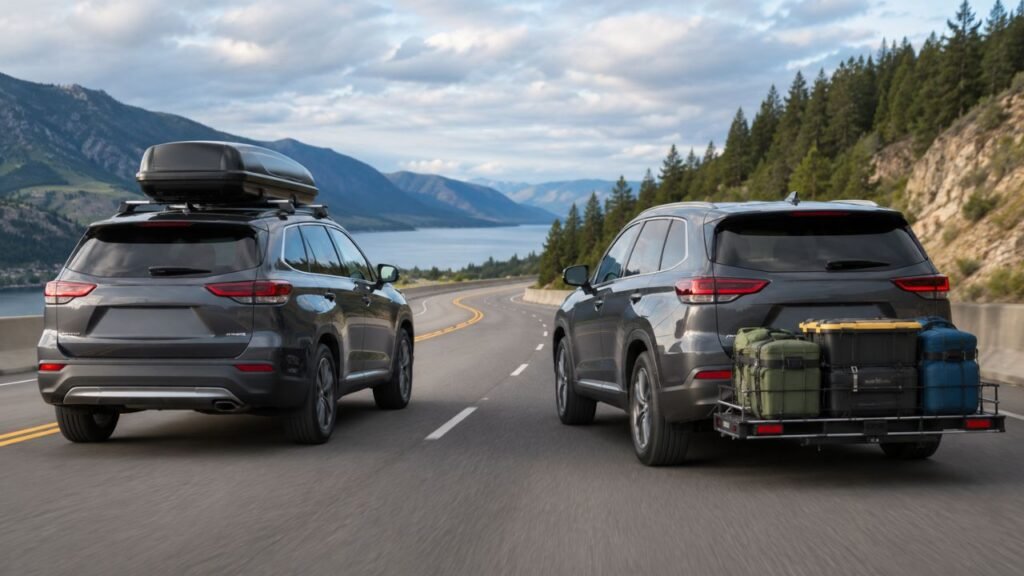
A roof cargo box usually changes vehicle handling more than a hitch cargo carrier when both carry similar weight. Roof cargo sits high, raises the vehicle’s center of gravity, and catches more wind. Hitch cargo stays lower, although heavy rear loads can affect suspension, steering, and braking. That simple answer needs some context before you

Hitch Cargo Carrier vs Roof Cargo Box: Which Changes Vehicle Handling More? Read More »

Adjustable Hitch vs Fixed Ball Mount

Adjustable Hitch vs Fixed Ball Mount: What’s the Difference?

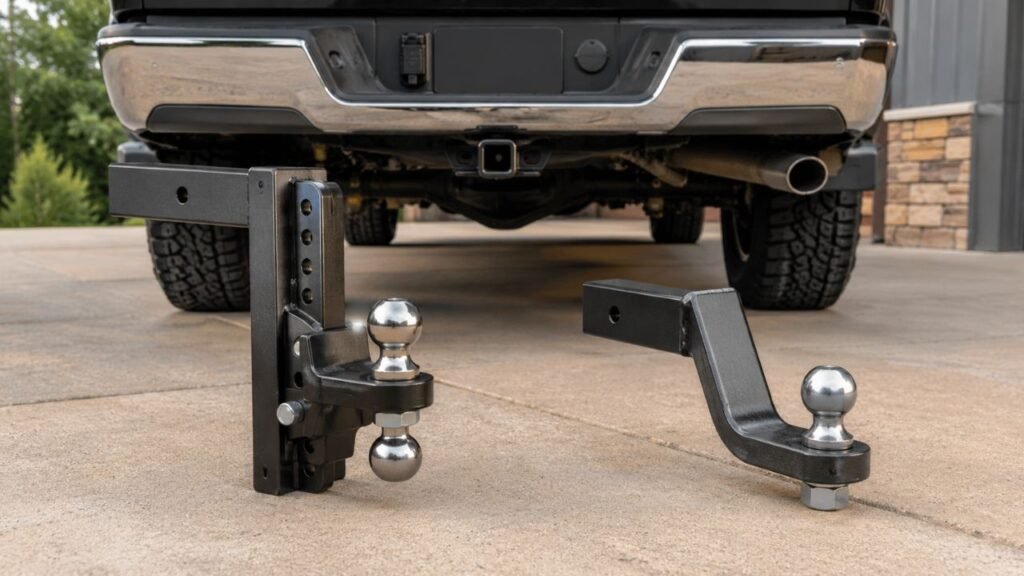
An adjustable hitch lets you change the ball height for different trailers, while a fixed ball mount uses a predetermined drop or rise. Adjustable mounts work well for changing towing setups. Fixed mounts are simpler when you tow the same trailer consistently. In this guide, I’ll compare both options in practical terms. We’ll cover height,

Adjustable Hitch vs Fixed Ball Mount: What’s the Difference? Read More »

Scissor Stabilizer Jacks vs Telescoping Stabilizer Jacks

Scissor Stabilizer Jacks vs Telescoping Stabilizer Jacks: How Are They Different?

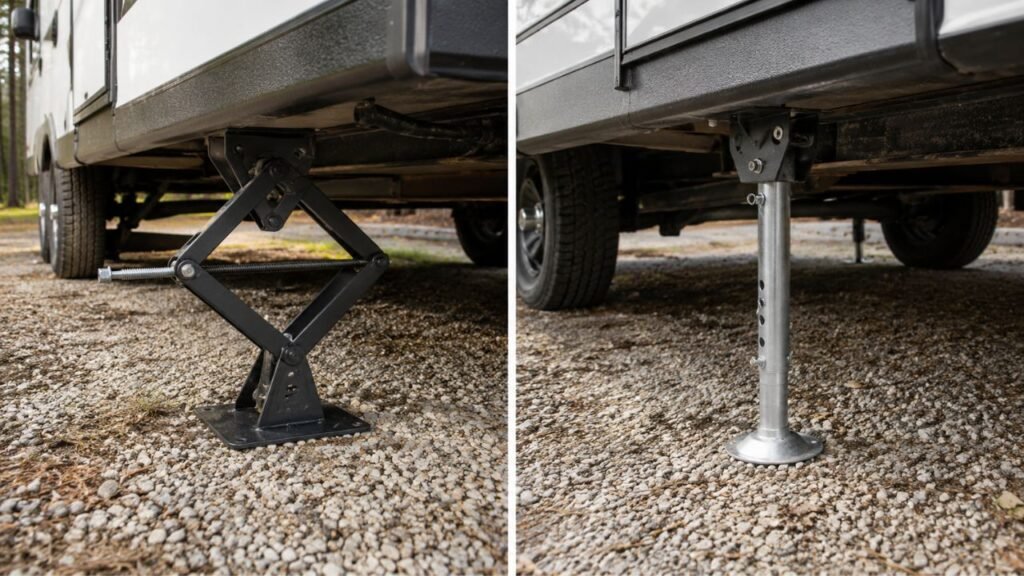
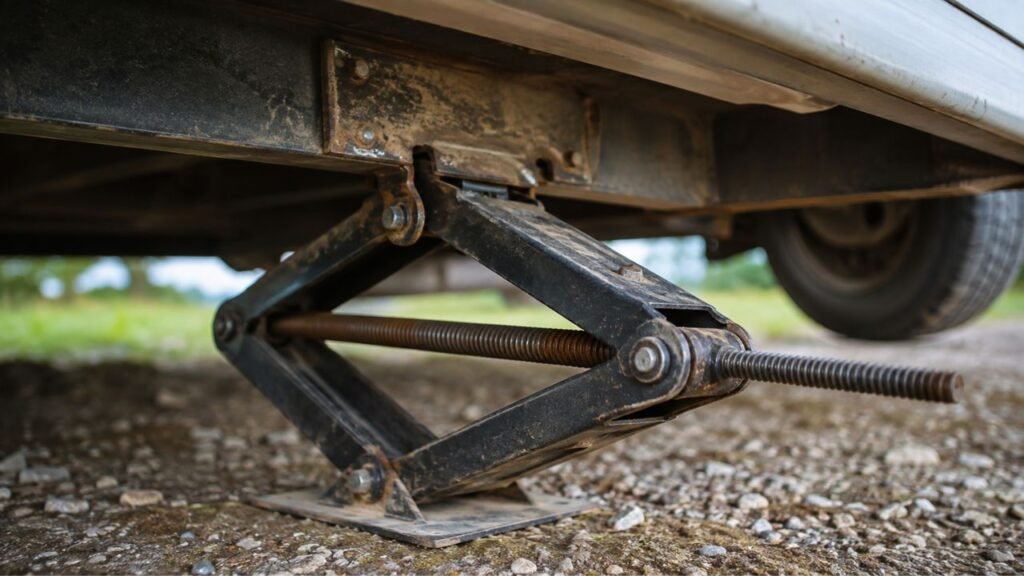
Scissor stabilizer jacks use folding X-shaped arms moved by a threaded screw. Telescoping stabilizer jacks use sliding or drop-down legs that extend toward the ground. Scissor jacks usually offer precise adjustment and higher-capacity options. Telescoping jacks usually deploy faster and require less cranking. Both designs can reduce trailer movement when they are used correctly. However,

Scissor Stabilizer Jacks vs Telescoping Stabilizer Jacks: How Are They Different? Read More »

Why Did My RV Stabilizer Jack Bend

Why Did My RV Stabilizer Jack Bend?

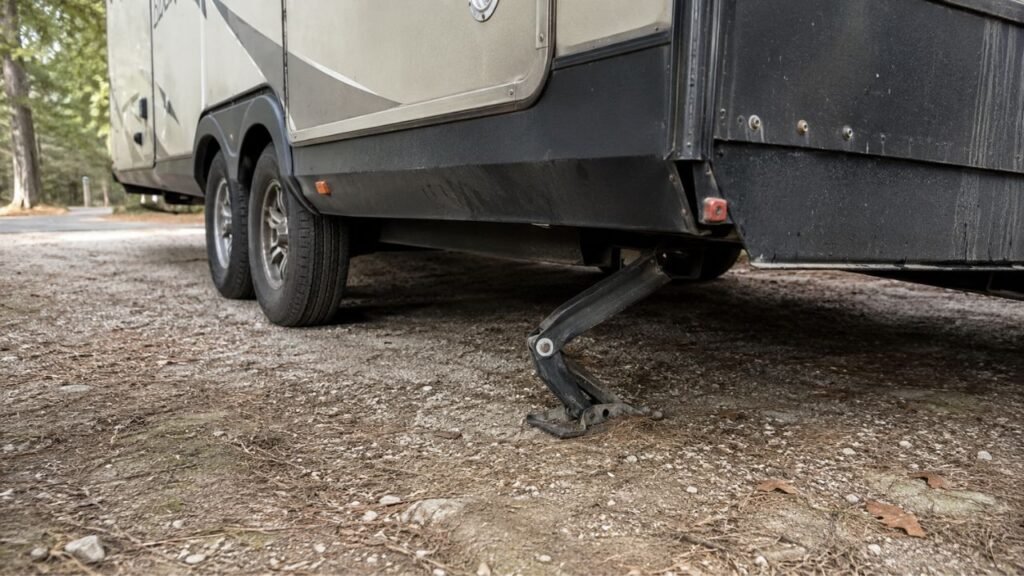
Your RV stabilizer jack probably bent because it carried more weight or sideways force than it was designed to handle. Common causes include using the jack to level or lift the RV, changing tongue height while the stabilizers are down, extending the jack too far, overtightening it, letting the trailer shift, or striking an obstacle.

Why Did My RV Stabilizer Jack Bend? Read More »

Why Do My RV Leveling Blocks Crack

Why Do My RV Leveling Blocks Crack?

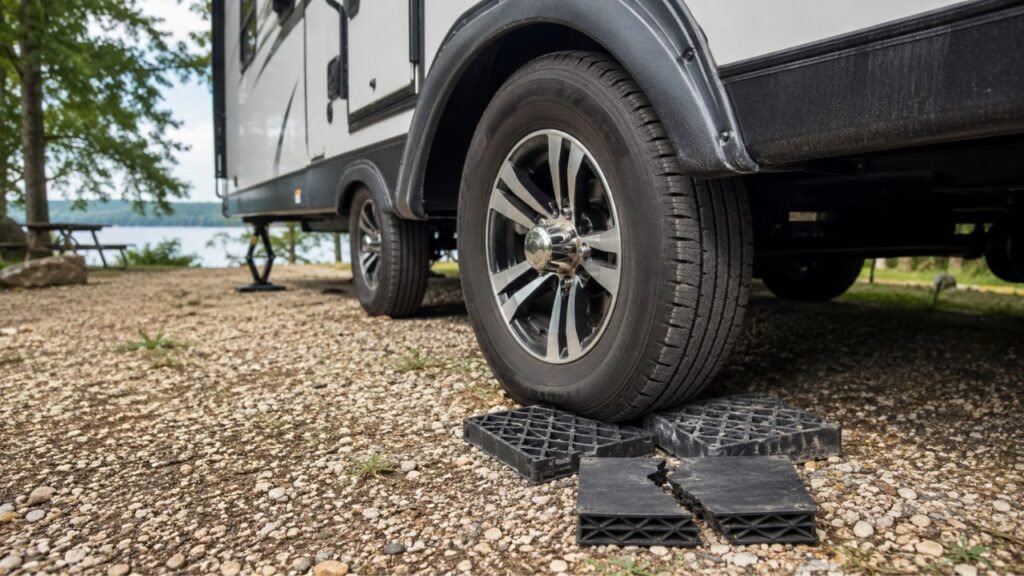
RV leveling blocks usually crack because the weight above them is not supported evenly. Sharp gravel, uneven ground, poor stacking, off-center tires, overloaded blocks, cold temperatures, or aging plastic can create concentrated stress that causes a block to bend, split, or break. The good news is that cracking is often preventable. Below, I’ll help you

Why Do My RV Leveling Blocks Crack? Read More »

Scroll to Top