
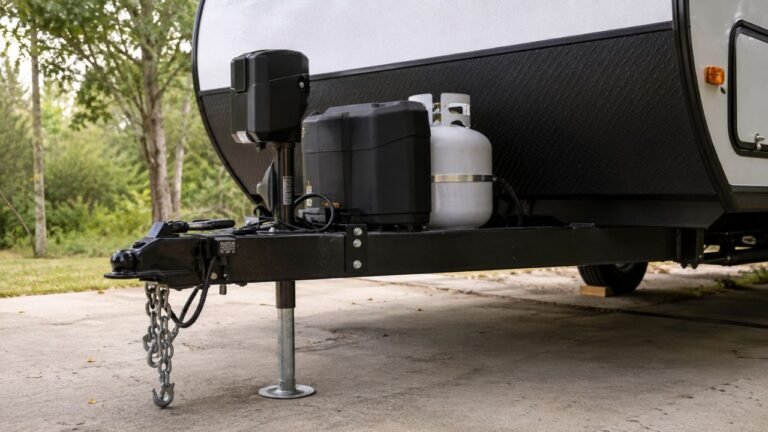
An electric trailer jack usually stops under load because the motor cannot get enough usable electrical power or cannot overcome the resistance of the load. A weak battery, poor ground, voltage drop...
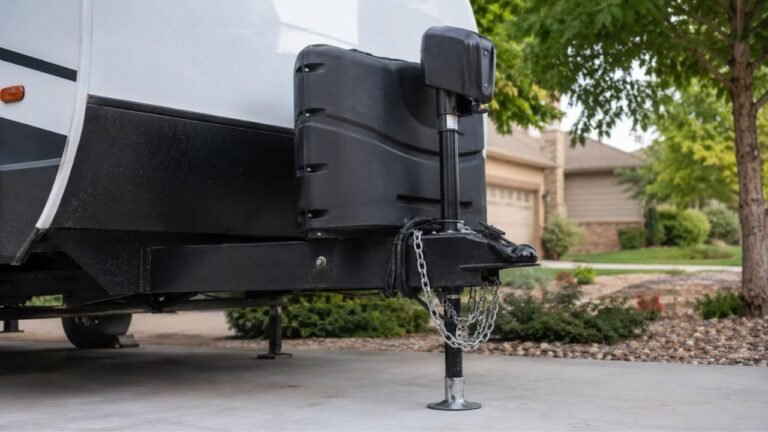
An electric trailer jack usually moves slowly because of a weak battery, poor ground connection, voltage drop, excessive tongue load, or mechanical binding inside the jack. Corroded terminals, dry...
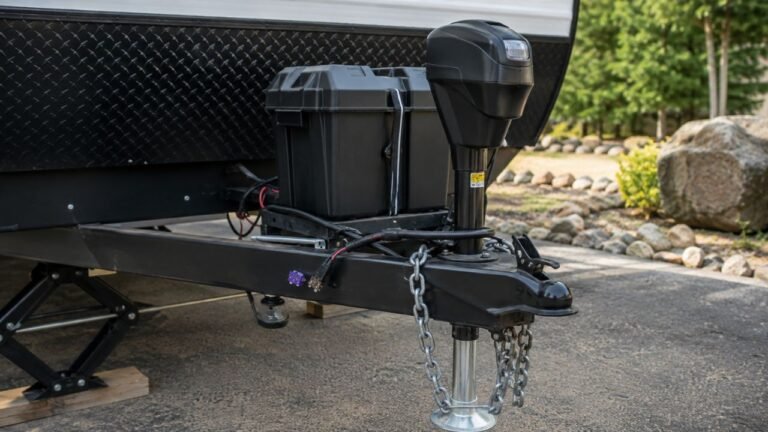
An electric trailer jack usually keeps blowing fuses because the motor is drawing excessive current or the circuit has an electrical fault. Common causes include hitting the jack’s travel limit...
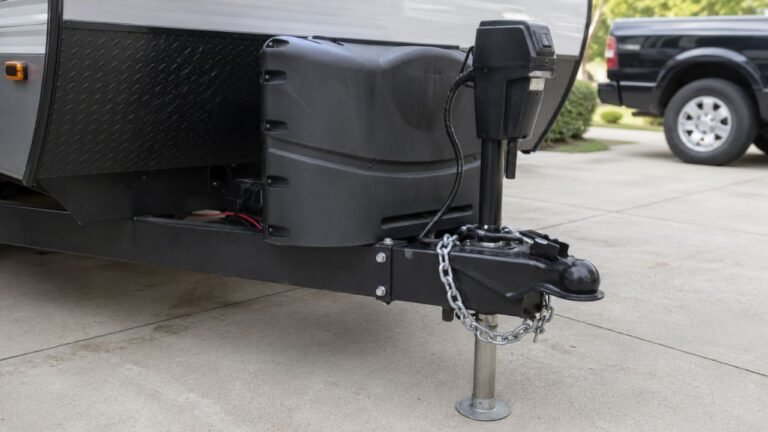
An electric trailer jack that clicks but does not move usually has an electrical or mechanical problem. The jack may have enough power to activate its switch or relay, but not enough current to run...
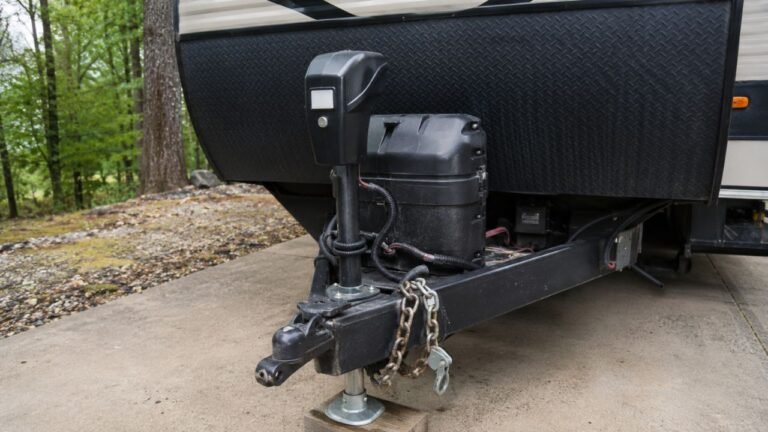
An electric trailer jack usually stops working because of a weak or disconnected 12V battery, blown fuse or circuit breaker, poor ground, damaged wiring, faulty switch, overloaded motor, or mechanical...
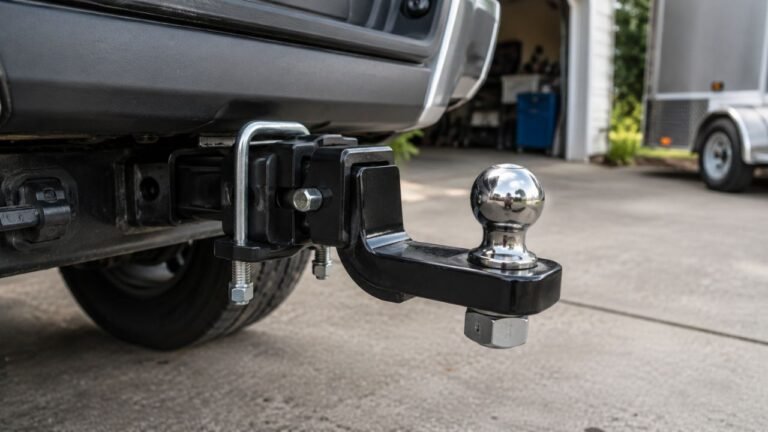
No, a properly sized and correctly installed anti-rattle device normally will not damage a healthy hitch receiver. In many cases, it can actually reduce wear by limiting the repeated movement and...
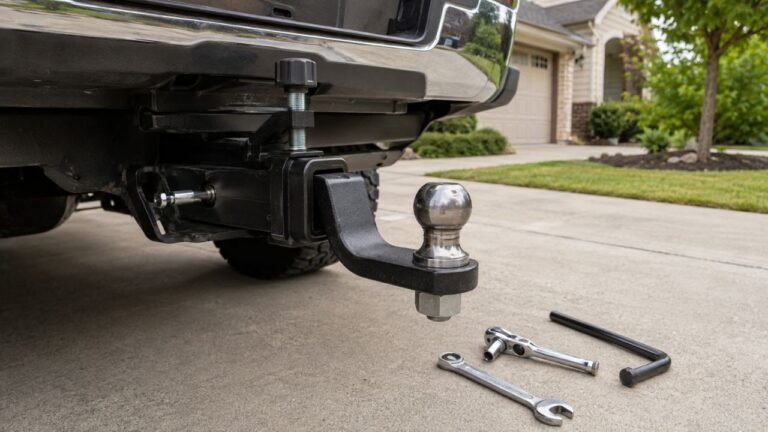
An anti-rattle hitch clamp should be tight enough to eliminate unwanted movement between the hitch shank and receiver without damaging the hardware. There is no universal torque setting for every...
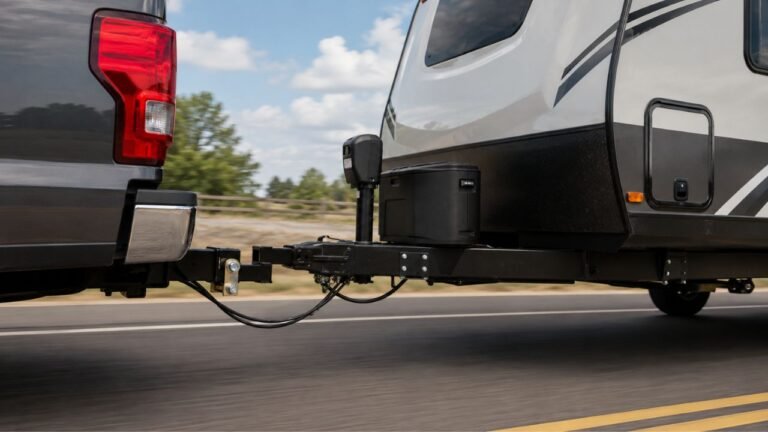
Yes, you can usually tow with an anti-rattle hitch clamp when it is designed for towing, fits your receiver correctly, and your proper hitch pin remains installed. The clamp reduces movement between...
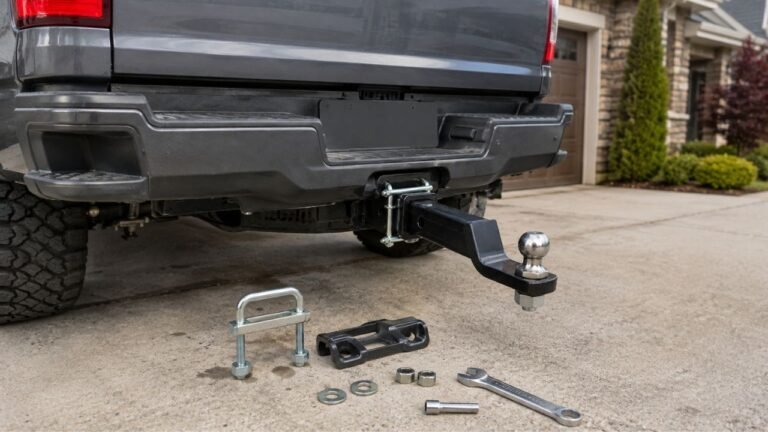
To install an anti-rattle hitch tightener, insert and secure your hitch accessory first. Then position the U-bolt and tightening plate near the receiver opening. Hand-tighten both nuts, then alternate...