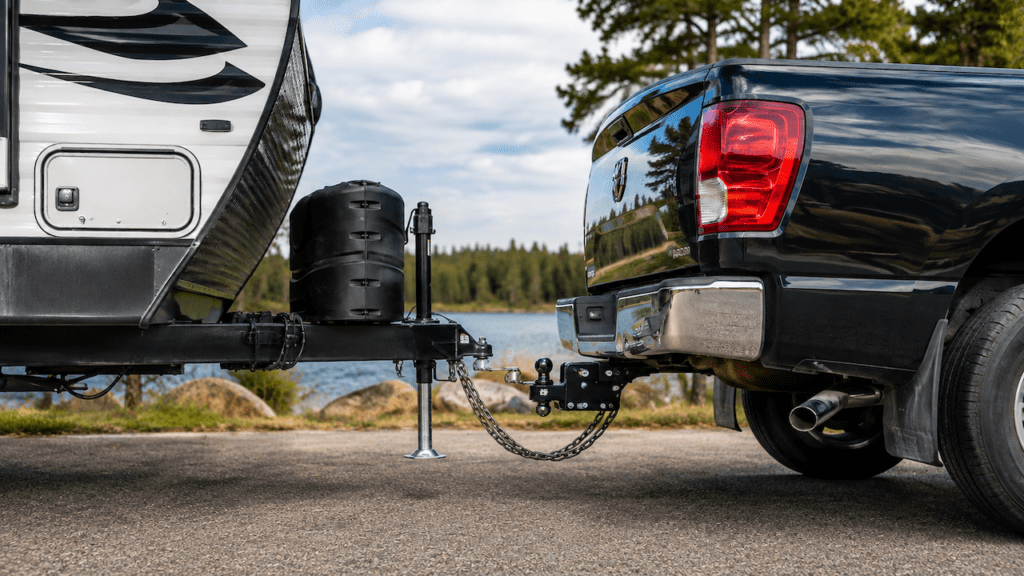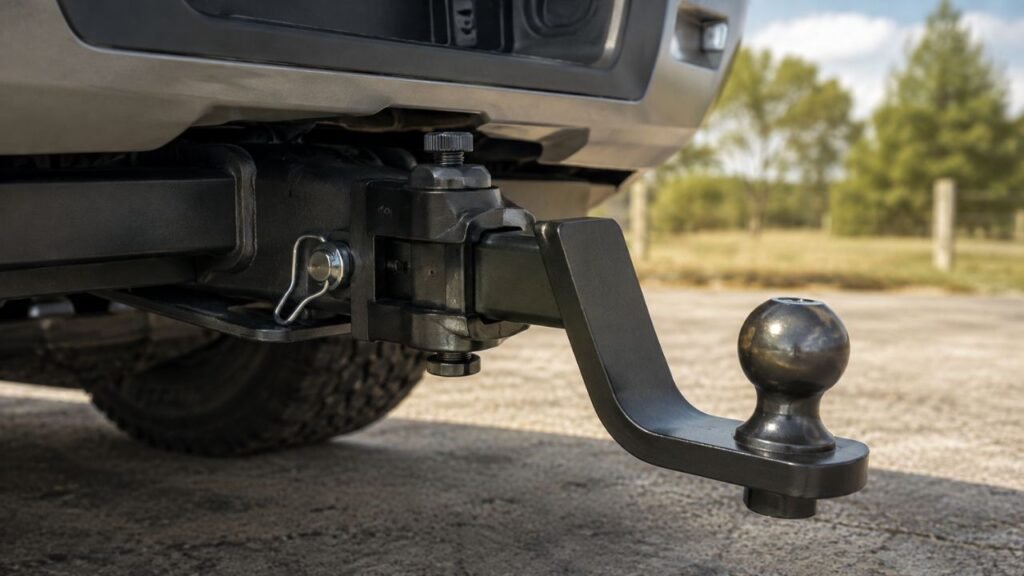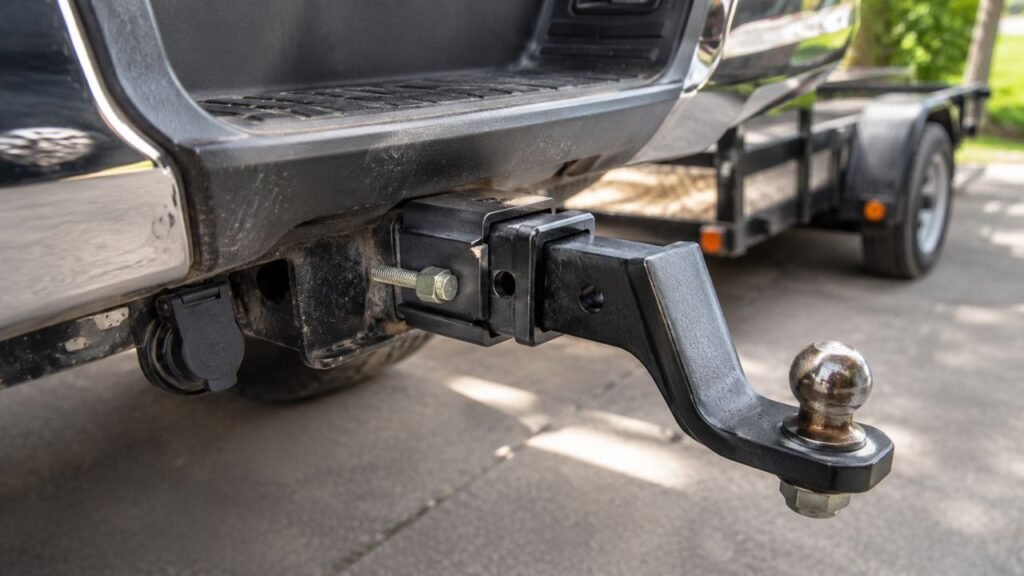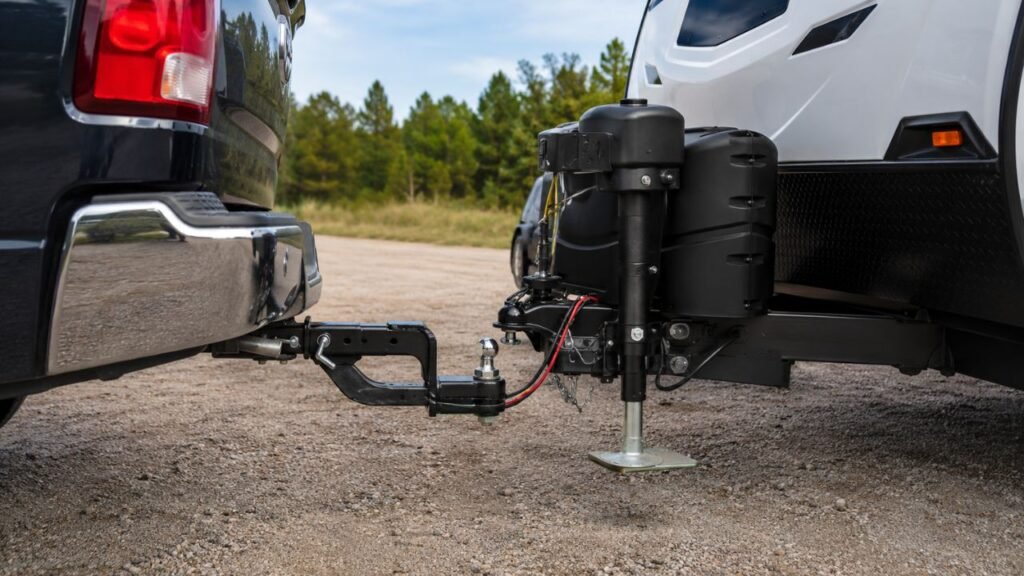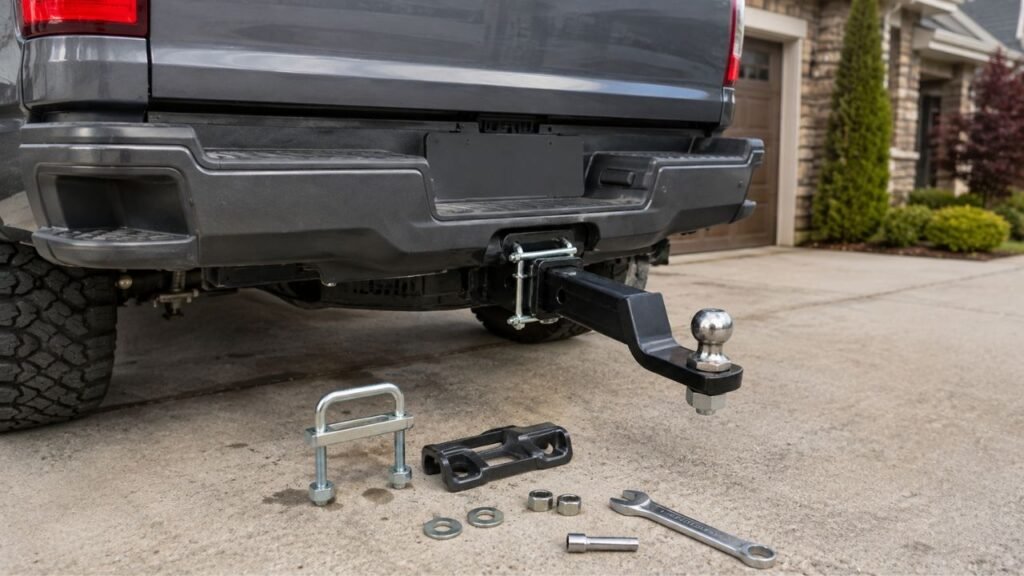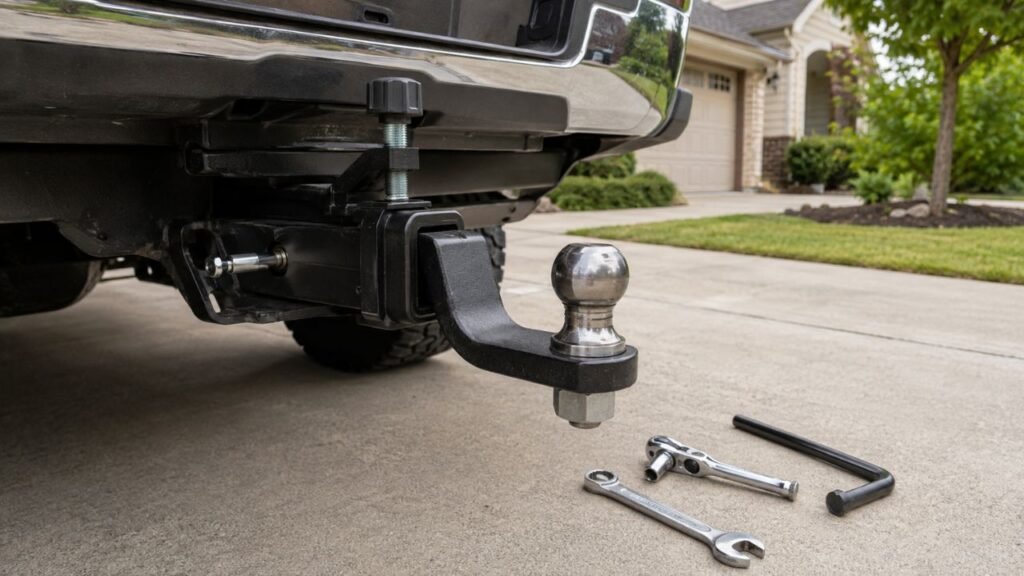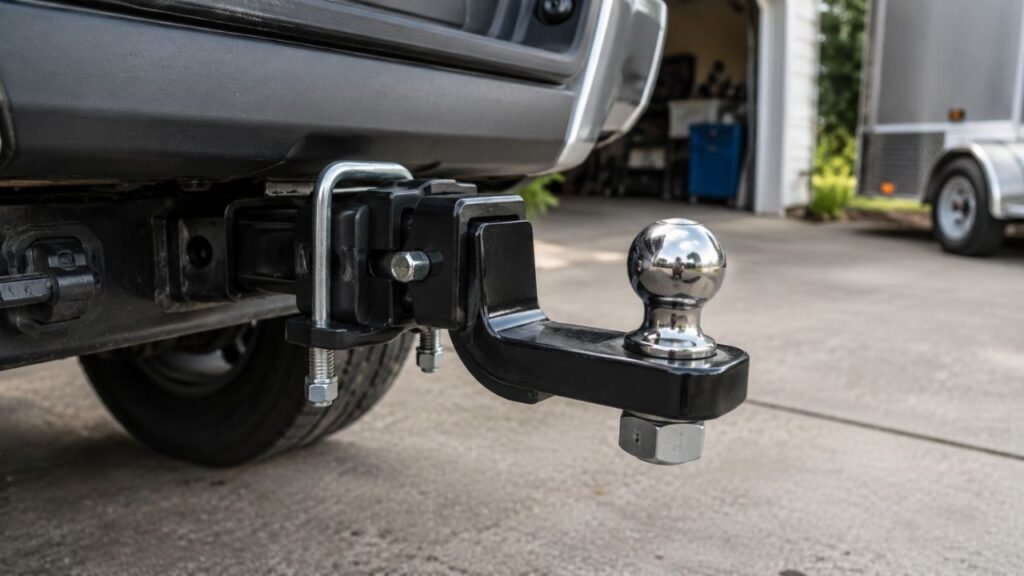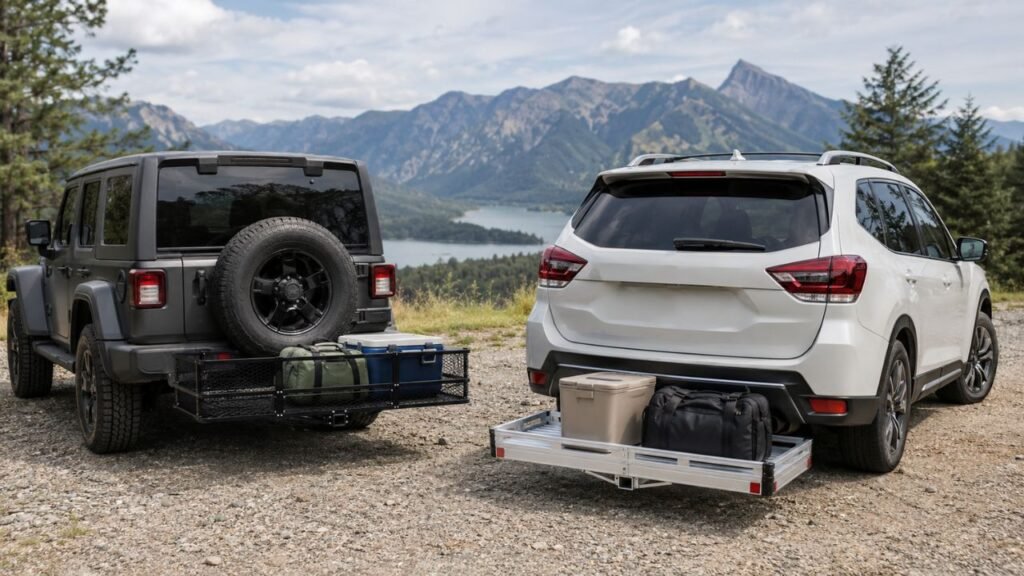
Steel hitch cargo carriers are usually heavier, less expensive, and built for rugged use. Aluminum carriers are generally lighter, easier to handle, and more resistant to corrosion. However, steel does not automatically carry more weight. The carrier’s actual load rating, construction, hitch rating, and vehicle limits matter more than material alone.
In this guide, I’ll compare steel and aluminum hitch cargo carriers by strength, weight, rust resistance, maintenance, cost, handling, and everyday usability. I’ll also help you figure out which material makes more sense for your vehicle and how you plan to use it.
Key Takeaways
- Steel carriers are generally heavier but often cost less.
- Aluminum carriers usually weigh less and are easier to install.
- Steel can rust when its protective coating becomes damaged.
- Aluminum does not rust like steel, though corrosion is still possible.
- Steel is stronger as a raw material, but carrier design matters greatly.
- A 500-pound aluminum carrier can still have the same rating as steel.
- The carrier’s own weight uses part of your available tongue-weight capacity.
- Aluminum usually needs less corrosion-related maintenance.
- Choose the carrier by its actual rating, construction, and vehicle compatibility.
Steel vs Aluminum Hitch Cargo Carrier: Quick Comparison
There is no automatic winner between these two materials. Steel usually favors affordability and rugged construction, while aluminum favors low weight and corrosion resistance.
| Feature | Steel Hitch Cargo Carrier | Aluminum Hitch Cargo Carrier |
| Material strength | Generally higher | Generally lower for equal-sized material |
| Actual carrier capacity | Depends on carrier design and rating | Depends on carrier design and rating |
| Empty carrier weight | Usually heavier | Usually lighter |
| Ease of installation | Can be harder to lift alone | Usually easier to handle |
| Rust resistance | Can rust if coating gets damaged | Does not form steel-type rust |
| Corrosion resistance | Good when properly coated | Naturally very good |
| Road salt exposure | Requires more attention | Usually better suited |
| Maintenance | Moderate | Usually lower |
| Purchase price | Usually lower | Usually higher |
| Frequent removal | Less convenient | More convenient |
| Long-term outdoor use | Good with maintenance | Very good |
| Best for | Budget and rugged use | Lightweight, wet-weather use |
The main thing I want you to remember is that material alone does not tell you how much cargo a carrier can safely hold. Always follow the manufacturer’s rated capacity.
Which Is Stronger: Steel or Aluminum Hitch Cargo Carriers?
Steel is generally the stronger raw material, but that does not automatically make every steel cargo carrier stronger than every aluminum model. The final strength depends heavily on how the carrier is engineered.
Steel Has Greater Material Strength
Steel can normally handle more force than a similar-size piece of aluminum before permanently deforming.
That gives manufacturers plenty of strength for:
- Heavy cargo
- Repeated loading
- Rough roads
- Work equipment
- Large coolers
- Camping gear
- Toolboxes
This is one reason you see so many heavy-duty hitch accessories made from steel.
However, you cannot look at the material name alone and determine capacity.
Carrier Design Matters More Than Material Alone
Manufacturers can compensate for aluminum’s lower raw material strength by changing the structure.
They may use:
- Thicker aluminum tubing
- Larger structural sections
- Reinforced corners
- Additional crossmembers
- Stronger weld layouts
- Better load distribution
A well-designed aluminum basket can therefore have the same rated capacity as a steel carrier.
There are both aluminum and steel hitch carriers rated around 500 pounds. Some specialized aluminum carriers can even exceed that.
So when comparing two products, look at the stated load capacity instead of assuming steel automatically wins.
Can an Aluminum Carrier Be Stronger Than a Steel Carrier?
Yes, a particular aluminum carrier can be stronger than a particular steel carrier.
Imagine comparing a lightweight steel basket rated for 300 pounds against a reinforced aluminum carrier rated for 500 pounds.
In that case, the aluminum carrier has the higher approved load capacity.
The correct comparison is therefore:
Carrier rating versus carrier rating, not steel versus aluminum alone.
What Happens If You Overload Either Material?
Neither steel nor aluminum should be overloaded.
Excess weight can cause:
- Basket sagging
- Permanent bending
- Cracked welds
- Loose hardware
- Shank damage
- Excessive hitch movement
- Poor vehicle handling
- Damage to the receiver
Steel may resist deformation better in some situations, but that does not make exceeding its rating safe.
Stay within the lowest applicable limit in your entire setup.
Steel vs Aluminum Carrier Weight: How Big Is the Difference?
Aluminum’s biggest practical advantage is usually weight. That matters every time you lift, install, remove, store, or load your carrier.
Why Aluminum Cargo Carriers Usually Weigh Less
Aluminum is significantly less dense than steel.
That allows manufacturers to make larger or thicker structural sections while still keeping the overall carrier relatively light.
Depending on size and design, an aluminum basket may be noticeably easier to handle than a comparable steel carrier.
This makes a difference when you need to install it without help.
Steel Carriers Can Become Heavy Quickly
A large steel basket may feel manageable when you first lift it.
The problem becomes more obvious when you have to:
- Carry it from your garage.
- Line the shank up with the receiver.
- Hold it at the correct height.
- Slide it into position.
- Install the hitch pin.
Doing this repeatedly can become annoying.
Folding mechanisms, ramps, side rails, and reinforced frames can make a steel carrier even heavier.
Real-World Weight Depends on More Than Material
Do not assume every aluminum carrier weighs 30 pounds or every steel carrier weighs 60 pounds.
Carrier weight also depends on:
- Platform dimensions
- Rail height
- Shank design
- Folding mechanisms
- Ramps
- Added support braces
- Hardware
- Receiver size
A compact steel carrier may weigh less than a very large aluminum carrier.
Check the actual product weight before buying.
Why Carrier Weight Matters More Than Just Installation
Carrier weight affects more than your ability to lift the rack. It also consumes part of the vertical load your hitch and vehicle can safely support.
The Carrier Uses Part of Your Available Tongue Weight
Think of your hitch cargo carrier as part of the load.
If your vehicle allows 350 pounds of vertical hitch load and the carrier itself weighs 60 pounds, you do not automatically have 350 pounds available for cargo.
The carrier already uses 60 pounds.
That leaves:
350 lb – 60 lb = 290 lb
Even if the carrier itself is rated for 500 pounds, your current vehicle setup would limit you to less.
How to Calculate Your Real Cargo Capacity
A simple way to think about it is:
Available cargo capacity = lowest applicable vertical load limit – carrier weight
For example:
- Vehicle/hitch limit: 350 lb
- Carrier capacity: 500 lb
- Empty carrier weight: 55 lb
Your cargo should not exceed about:
350 – 55 = 295 lb
The vehicle or hitch limitation becomes the controlling factor.
You should also consider vehicle payload and other manufacturer restrictions.
Why Aluminum Can Help With Lower Tongue-Weight Limits
This is where an aluminum carrier can provide a real advantage.
Suppose one carrier weighs 30 pounds and another weighs 65 pounds.
If both carry the same manufacturer’s rating, the lighter carrier uses less of the available vertical load before you add cargo.
That does not increase your vehicle’s tongue-weight rating.
It simply leaves more of the existing capacity available for your gear.
For smaller SUVs and crossovers, that difference can matter.
Which Resists Rust Better: Steel or Aluminum?
Aluminum clearly has the advantage when rust and corrosion resistance are your biggest concerns. Steel performs well when protected, but exposed steel can eventually rust.
Why Steel Hitch Cargo Carriers Rust
Most steel cargo carriers are protected with paint, powder coating, E-coating, or another protective finish.
That coating separates the steel from:
- Rain
- Oxygen
- Road salt
- Mud
- Humidity
- Snow
The problem starts when the protective surface gets damaged.
Scratches often appear around:
- Basket floors
- Corners
- Hitch shanks
- Bolt holes
- Folding joints
- Tie-down areas
Once moisture reaches exposed steel, rust can begin.
Does Aluminum Rust?
No, aluminum does not rust in the same way steel does.
Rust specifically refers to iron oxidation. Aluminum does not form the familiar reddish-brown iron rust you see on steel.
That is one major reason aluminum carriers are popular in wet climates.
Can Aluminum Still Corrode?
Yes.
Aluminum naturally forms a thin oxide layer that helps protect the metal underneath. This makes it highly corrosion resistant.
However, aluminum is not completely immune to damage.
You may eventually notice:
- White oxidation
- Surface discoloration
- Pitting
- Corrosion around mixed-metal hardware
Salt and harsh road chemicals can increase the risk.
So I would call aluminum rust-resistant and highly corrosion-resistant, rather than maintenance-free forever.
Which Is Better for Snow, Road Salt, and Coastal Areas?
Aluminum usually makes more sense when your carrier regularly encounters aggressive moisture and salt.
It is particularly appealing for:
- Coastal states
- Snow-belt regions
- Winter road trips
- Beach travel
- Frequent rain
- Long-term outdoor storage
You should still rinse aluminum after heavy salt exposure.
The difference is that you are generally less worried about scratched paint exposing rust-prone metal underneath.
Does Powder-Coated Steel Still Rust?
Yes, powder-coated steel can still rust eventually if the coating becomes scratched, chipped, worn, or otherwise compromised.
A good coating provides excellent protection.
Many quality steel carriers last for years without serious corrosion problems.
You simply need to inspect them occasionally.
Pay close attention to areas where cargo rubs against the basket. The hitch shank and folding mechanism also deserve attention.
If you see exposed steel, touch it up before rust spreads.
A steel carrier should not automatically be considered a bad choice because it can rust.
For many owners, a few minutes of maintenance each year is a reasonable tradeoff for the lower purchase price.
Which Material Handles Rough Roads and Heavy Use Better?
Steel has a reputation for rugged use, but construction quality is more important than simply choosing the heavier material.
Steel for Repeated Heavy-Duty Use
Steel is a sensible choice when you regularly carry dirty, heavy, or awkward equipment.
Examples include:
- Toolboxes
- Camping supplies
- Hunting equipment
- Firewood
- Large coolers
- Work gear
Its toughness also makes steel attractive when scratches and cosmetic damage do not concern you.
However, you still need to remain within the stated rating.
Aluminum for Strength Without Excess Weight
A well-built aluminum carrier can handle substantial loads while remaining easier to move.
This is especially useful when your cargo itself is heavy.
Instead of using a large part of your allowable hitch load on the basket, you are putting more of that available capacity toward the items you actually want to carry.
That can be a useful advantage for road trips and camping.
Construction Quality Can Matter More Than Metal
Before choosing either material, inspect how the carrier is built.
Look for:
- Solid welds
- Strong cross-bracing
- Reinforced shank connections
- Quality mounting hardware
- Good basket support
- Secure folding pivots
- Useful tie-down points
- A reliable anti-rattle design
A poorly made steel carrier can perform worse than a properly engineered aluminum model.
The same is true in reverse.
Which Is Easier to Install, Remove, and Store?
Aluminum usually wins when you frequently remove your hitch cargo carrier. Lower weight makes installation, carrying, and storage noticeably easier.
If you install your carrier only twice a year, the difference may not matter much.
But imagine taking it off after every weekend trip.
A heavy steel basket can quickly become something you avoid removing simply because it is inconvenient.
Aluminum is particularly useful when:
- You install the carrier alone.
- You have limited upper-body strength.
- Storage requires lifting the carrier.
- You live in an apartment.
- You frequently switch hitch accessories.
- You do not want the carrier permanently attached.
On the other hand, a folding steel carrier may still be more convenient than a fixed aluminum design if you plan to leave it installed.
This is why features should be considered alongside material.
Does Steel or Aluminum Affect Vehicle Handling More?
Carrier material can indirectly affect handling because every pound added behind the vehicle becomes part of the rear load. However, your cargo amount and its position usually matter far more than the difference between steel and aluminum.
Carrier Weight Adds Load Behind the Rear Axle
A hitch cargo carrier places weight behind the rear axle instead of inside the vehicle.
That can affect:
- Rear suspension height
- Steering feel
- Braking
- Ground clearance
- Headlight angle
- Overall handling
A lighter aluminum carrier reduces some unnecessary dead weight.
However, loading 300 pounds of gear on either carrier will still have a much larger effect than the material difference alone.
Lighter Does Not Mean You Can Ignore Load Placement
Whether your carrier is steel or aluminum, pack carefully.
Try to keep heavy items:
- Low
- Centered
- Balanced side to side
- Securely tied down
- As close to the vehicle as practical
Avoid stacking the heaviest gear at the outer edge.
Carrier Length Matters Too
Weight located farther behind the vehicle creates more leverage on the hitch.
A deep cargo basket or hitch extension can therefore affect the vehicle differently than a compact carrier positioned close to the receiver.
This is another reason you should not evaluate a carrier using weight capacity alone.
Steel vs Aluminum Hitch Cargo Carrier Cost: Which Gives Better Value?
Steel is usually the more affordable option, while aluminum typically costs more because of its lighter weight and corrosion-resistant properties.
If you use your carrier only a few weekends each year, steel can offer excellent value.
You get:
- Strong construction
- Lots of available designs
- Competitive capacity ratings
- Lower upfront cost
The tradeoff is additional weight and possible rust maintenance.
Aluminum can make more sense if you use your carrier often.
You are paying extra for:
- Easier installation
- Lower dead weight
- Better corrosion resistance
- Easier storage
- Less rust-related maintenance
The best value depends on how frequently you use the carrier.
A less expensive steel model that frustrates you every time you lift it may not feel like a bargain after several years.
Maintenance: Steel vs Aluminum Cargo Carriers
Neither material should be completely ignored after installation. Steel needs more attention around coating damage, while aluminum mainly benefits from cleaning and inspection.
How to Maintain a Steel Hitch Carrier
A little preventative care can significantly slow down corrosion.
- Rinse away road salt and mud.
- Dry the carrier before long-term storage.
- Inspect chipped powder coating.
- Remove minor surface rust early.
- Touch up exposed steel.
- Keep folding joints clean.
- Check bolts for corrosion.
- Inspect weld areas periodically.
- Store indoors when practical.
If you catch scratches early, maintaining steel is usually straightforward.
How to Maintain an Aluminum Hitch Carrier
Aluminum requires less rust-related maintenance, but you should still look after it.
- Rinse away salt and road chemicals.
- Clean dirt from joints and corners.
- Inspect welds periodically.
- Check bolts and mounting hardware.
- Watch for white oxidation or pitting.
- Keep drainage areas clear.
- Check mixed-metal contact points.
- Store the carrier clean and dry when possible.
Which Requires Less Maintenance?
Aluminum usually requires less maintenance overall.
You do not have to chase scratches with touch-up paint simply to prevent traditional rust.
For people living near saltwater or driving salted winter roads, that can be one of aluminum’s biggest advantages.
Steel or Aluminum for Different Vehicles and Uses?
Your vehicle and typical cargo should guide the decision. One material can make perfect sense for one owner and unnecessary for another.
For SUVs and Crossovers
I usually lean toward aluminum when the vehicle has a relatively modest hitch or tongue-weight allowance.
A lighter carrier leaves more of that available capacity for luggage and equipment.
It is also easier to remove when the vehicle serves as a daily driver.
For Pickup Trucks
Either material works well.
Many pickups have enough rear-load capacity that the difference between a 30-pound and 60-pound carrier is less critical.
Steel can provide excellent value.
Aluminum is still attractive if you frequently remove the rack.
For Camping and Family Road Trips
Aluminum often has the convenience advantage.
Camping already involves enough lifting and packing.
A lightweight carrier can make loading the vehicle less frustrating.
Corrosion resistance also helps when your carrier spends multiple days exposed to weather.
For Generators, Tools, and Heavy Equipment
Do not automatically choose steel simply because your cargo is heavy.
First compare:
- Carrier load rating
- Hitch limit
- Vehicle limit
- Empty carrier weight
- Platform dimensions
- Tie-down locations
- Construction quality
A properly rated aluminum carrier may handle your equipment perfectly well.
For Snow-Belt States
Aluminum gets a strong advantage here.
Road salt is hard on scratched steel finishes.
You can absolutely use steel, but washing, inspection, and occasional coating repair become more important.
For Coastal Areas
Aluminum is generally easier to live with near saltwater.
You should still wash salt residue from it, but you will not be dealing with ordinary steel rust every time the finish gets scratched.
When Should You Choose a Steel Hitch Cargo Carrier?
Steel is still the right option for many drivers. I would choose it when affordability and rugged simplicity matter more than minimizing carrier weight.
Choose steel when:
- Your budget is limited.
- You want lots of model choices.
- Extra carrier weight does not bother you.
- Your vehicle has enough available hitch capacity.
- You rarely remove the carrier.
- You are comfortable maintaining scratched coating.
- You want a rugged carrier for frequent utility use.
- You found a steel model with the right rating and features.
For occasional use in a relatively dry climate, steel can be very hard to beat on value.
When Should You Choose an Aluminum Hitch Cargo Carrier?
Aluminum makes the most sense when convenience, weight savings, and weather resistance are worth paying extra for.
Choose aluminum when:
- You frequently install and remove the carrier.
- You often handle the carrier alone.
- Your available tongue-weight capacity is limited.
- You drive in snowy or salty conditions.
- You live near the coast.
- Rust is a major concern.
- You keep the carrier outside frequently.
- You want less corrosion-related maintenance.
- You are willing to pay more for lower weight.
Just make sure the specific aluminum carrier has the capacity you need.
What Should You Check Before Buying Either Material?
Choosing between steel and aluminum is only one part of buying a hitch carrier. A good carrier also needs to fit your vehicle, cargo, receiver, and daily use.
Check the following before ordering:
- Manufacturer-rated cargo capacity
- Empty carrier weight
- Vehicle tongue-weight limit
- Receiver tongue-weight rating
- Vehicle payload rating
- Receiver opening size
- Basket length and width
- Rail height
- Distance from the bumper
- Ground clearance
- Exhaust clearance
- Rear hatch clearance
- Tailgate clearance
- Folding capability
- Anti-rattle compatibility
- Hitch pin design
- Tie-down points
- Reflector visibility
- Taillight visibility
- License plate visibility
- Warranty coverage
- Replacement hardware availability
Be especially careful when adding hitch extensions or adapters.
Moving the carrier farther behind the receiver can increase leverage and may reduce the allowable load of certain setups.
Always follow the ratings provided for your specific vehicle, hitch, carrier, adapter, and accessories.
Steel vs Aluminum Hitch Cargo Carrier: Which Is Better Overall?
For most drivers, aluminum is the better choice when low weight, frequent removal, and corrosion resistance are priorities. Steel is usually better when price matters most and you do not mind additional weight or occasional rust prevention.
I would not choose either material based solely on an assumption about strength.
Instead, compare:
- Rated load capacity
- Empty carrier weight
- Vehicle limits
- Hitch limits
- Basket dimensions
- Construction quality
- Weather exposure
- How often you remove it
A quality aluminum carrier can safely have the same rated load capacity as a steel model.
Likewise, a good steel carrier can provide many years of reliable service with basic maintenance.
Your best choice is the carrier that fits your actual vehicle and cargo, not simply the material with the tougher reputation.
Final Verdict
If you want a hitch cargo carrier that is easy to lift, resistant to rust, and convenient for frequent road trips, aluminum is usually worth the extra cost.
If you want strong construction at a lower price and you are comfortable dealing with a heavier rack and occasional corrosion maintenance, steel remains an excellent choice.
For drivers comparing two carriers with the same rated capacity, I would pay close attention to empty carrier weight. Saving 20 or 30 pounds on the carrier itself can leave more usable capacity for your gear, especially on smaller SUVs and crossovers.
Most importantly, never assume a carrier’s advertised 500-pound rating means your vehicle can safely support 500 pounds of cargo. Your vehicle, receiver, carrier, and any extensions all need to stay within their applicable limits.
Related FAQs
Are Aluminum Hitch Cargo Carriers Strong Enough?
Yes. A properly engineered aluminum hitch cargo carrier can safely handle substantial weight within its manufacturer’s rating. Many aluminum and steel carriers have similar rated capacities, so always compare individual models rather than judging by material alone.
Do Aluminum Hitch Cargo Carriers Bend Easily?
Aluminum can bend if overloaded or poorly supported, but a properly designed carrier should not bend during normal use within its rated capacity. Reinforcement, tubing thickness, weld quality, and basket design all influence resistance to bending.
Do Aluminum Cargo Carriers Rust?
No. Aluminum does not develop the reddish iron rust associated with steel. It can still oxidize or experience localized corrosion, especially around road salt or dissimilar metals, but its overall corrosion resistance is generally excellent.
How Long Does a Steel Hitch Cargo Carrier Last?
A quality steel carrier can last many years when its coating remains intact and developing rust is treated early. Regular cleaning, touch-up paint, proper storage, and hardware inspections can significantly extend its service life.
Is a 500 Lb Aluminum Cargo Carrier as Strong as a 500 Lb Steel Carrier?
If both manufacturers rate their carriers for 500 pounds under the specified conditions, each is approved for that stated load. The materials and construction may differ, but you should follow the manufacturer’s capacity rather than assuming the steel model can safely exceed it.
Does the Weight of the Cargo Carrier Count Toward Tongue Weight?
Yes. The carrier itself contributes to the vertical load on your hitch, so its weight must be considered along with your cargo. A lighter carrier can therefore leave more of the available capacity for your actual gear.
Can a 500 Lb Cargo Carrier Hold 500 Lb on Any Vehicle?
No. A 500-pound carrier rating only describes the carrier’s maximum approved capacity. Your vehicle or hitch may have a lower limit, and that lower rating becomes the maximum you should follow.
Is Aluminum Better for Winter Road Salt?
Usually, yes. Aluminum does not rust like steel and generally handles salty winter environments with less maintenance. You should still rinse road salt from aluminum because long-term chloride exposure can contribute to surface corrosion.
Is Powder-Coated Steel Rust-Proof?
No. Powder coating provides strong corrosion protection, but it does not make steel permanently rust-proof. Chips, scratches, worn edges, and damaged coating can expose bare steel and allow corrosion to begin.
Which Cargo Carrier Is Easier to Install Alone?
Aluminum is generally easier to install alone because most aluminum carriers weigh less than comparable steel designs. Actual weight still varies by platform size, folding hardware, ramps, and reinforcement, so check the listed product weight before buying.

Ryan Mitchell writes for readers who prefer independent travel and practical outdoor motorhome living. His how-to guides and reviews focus on simplicity, durability, and real value. He brings a calm, hands-on perspective to every topic.