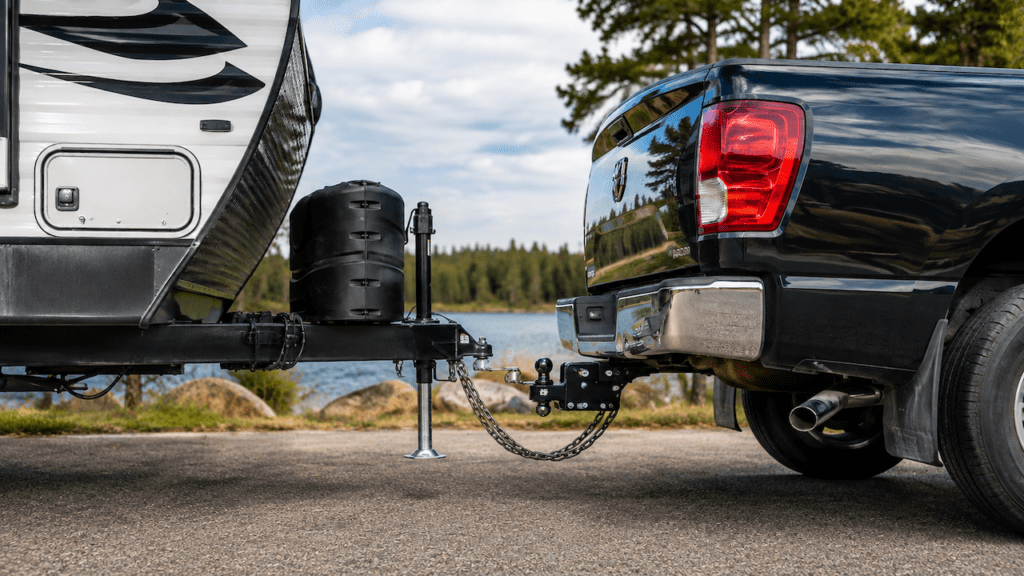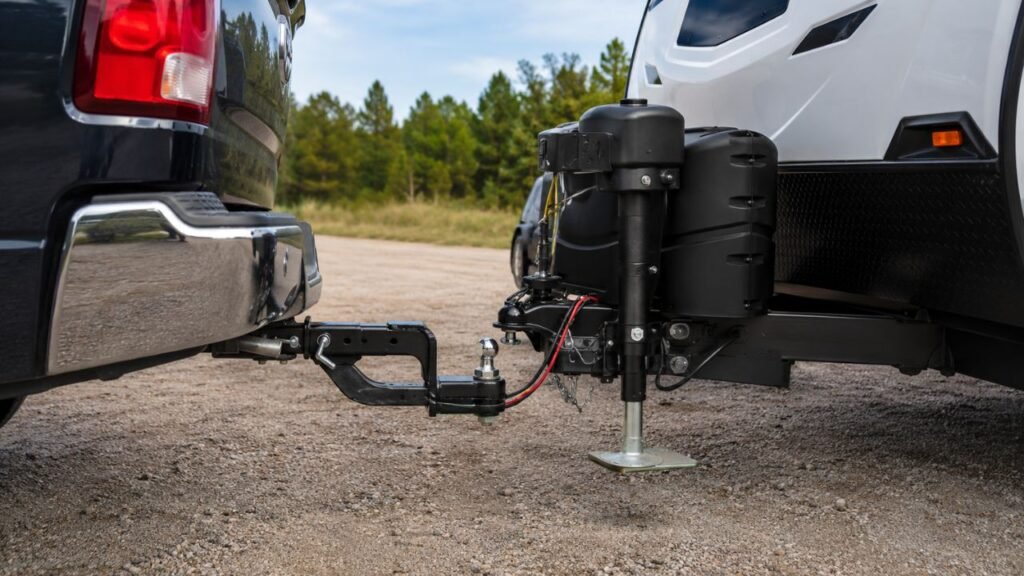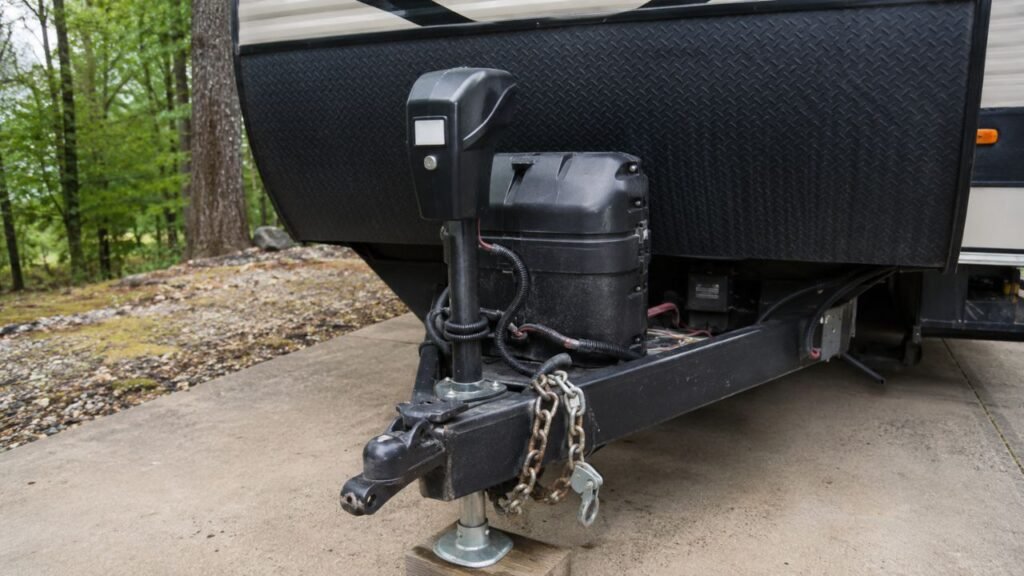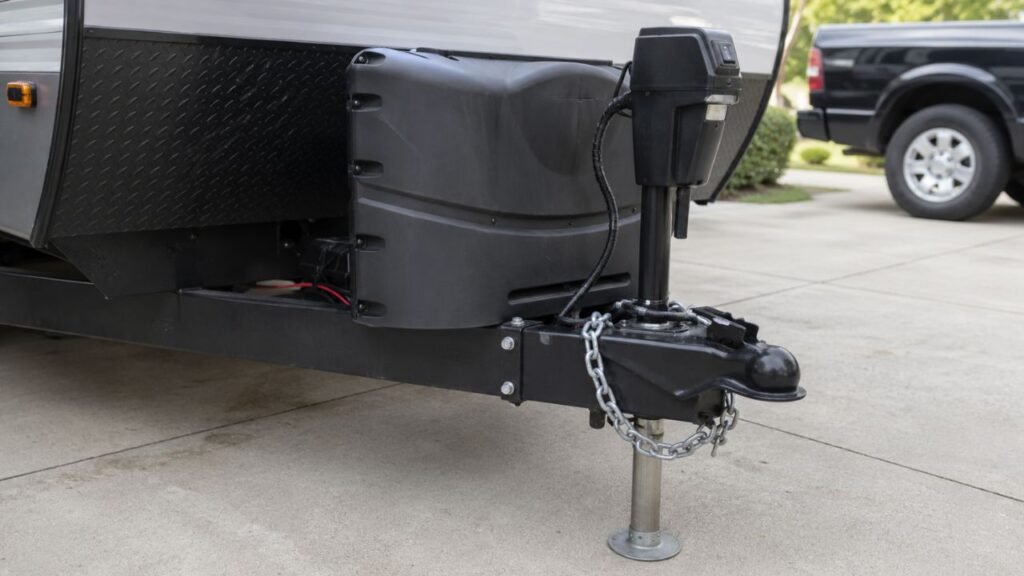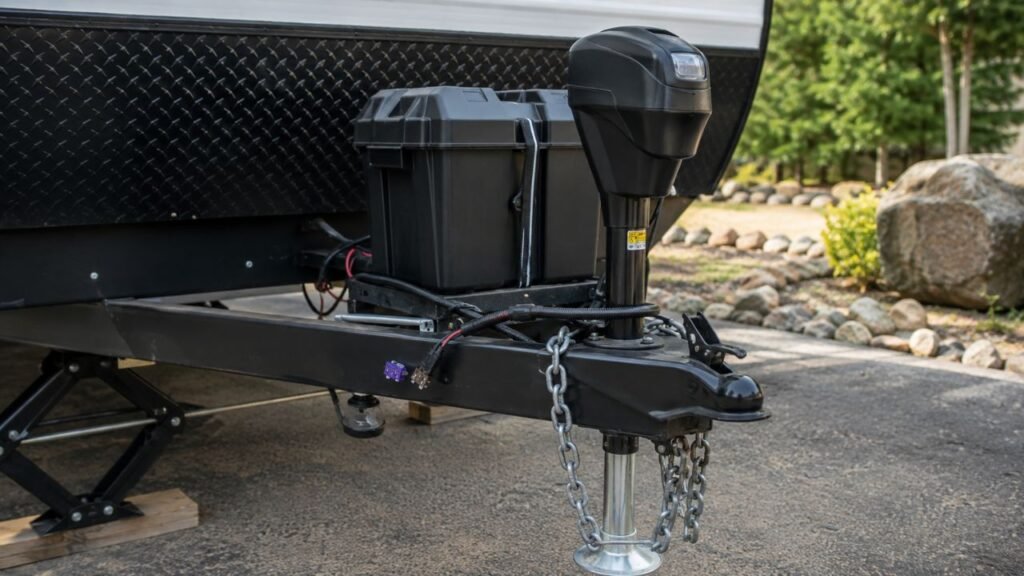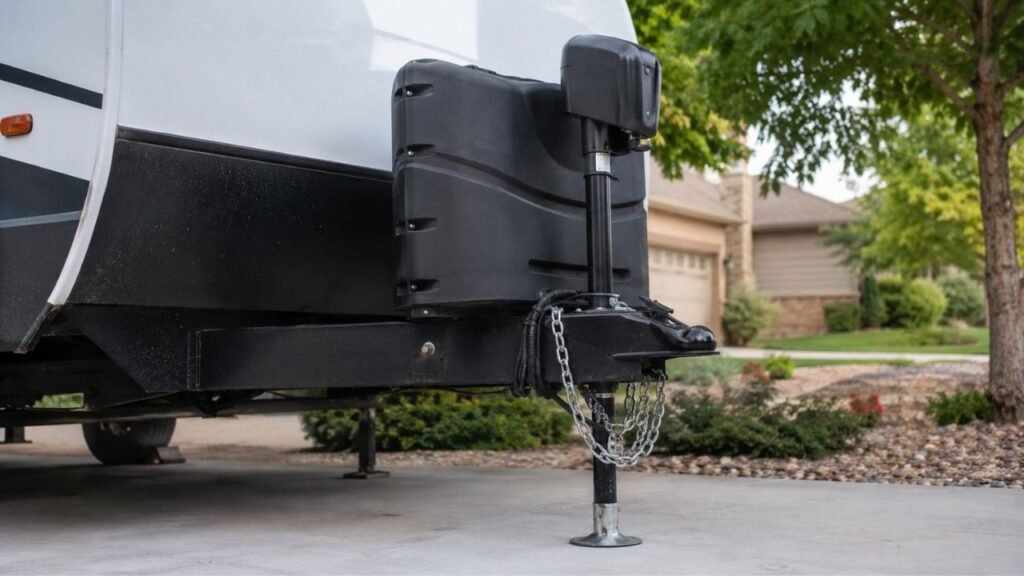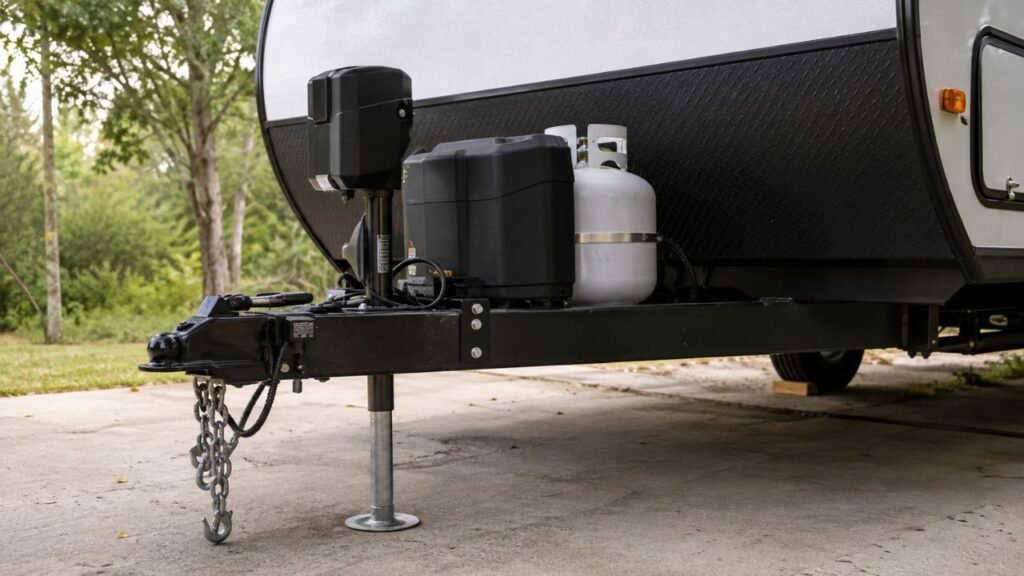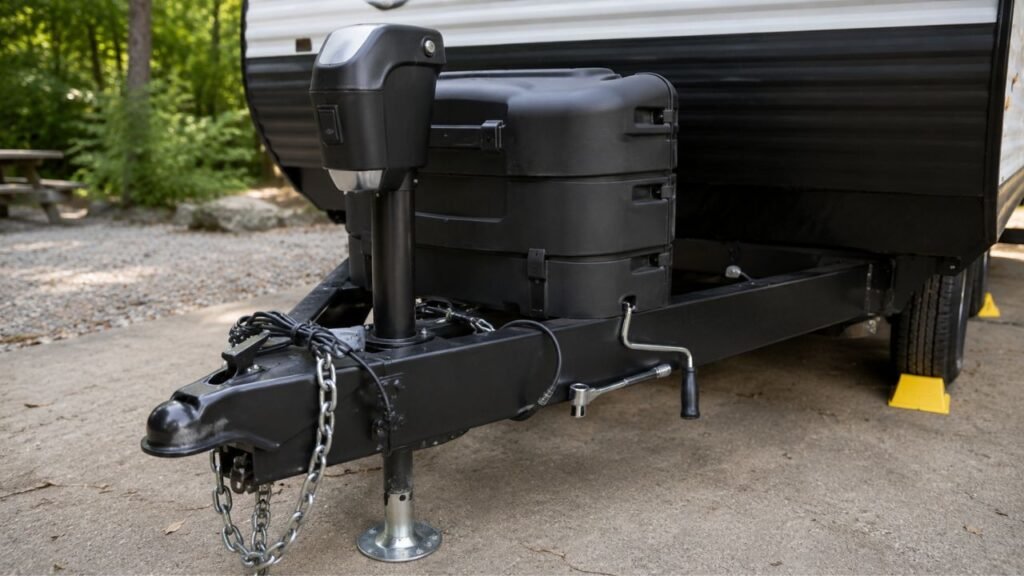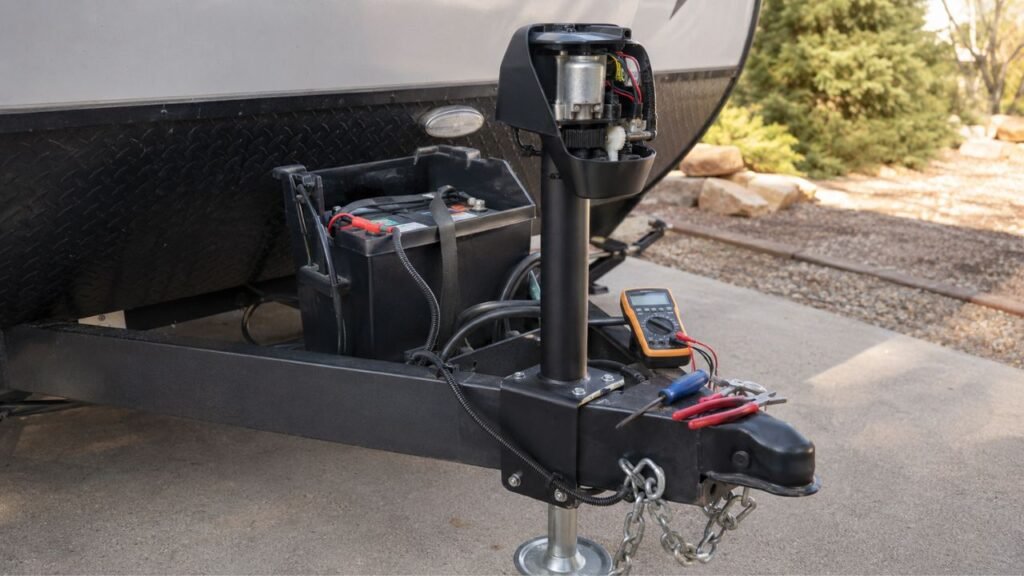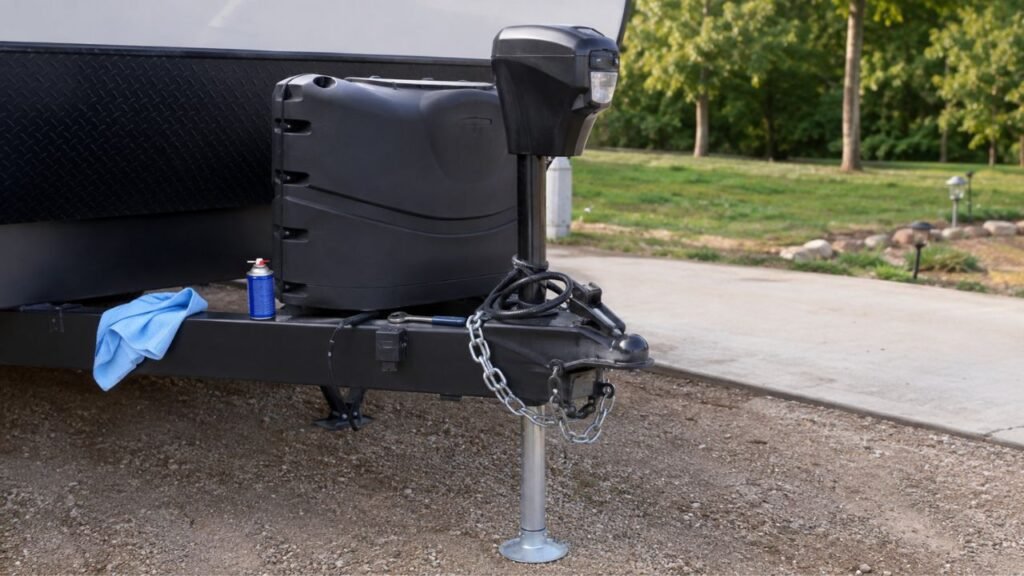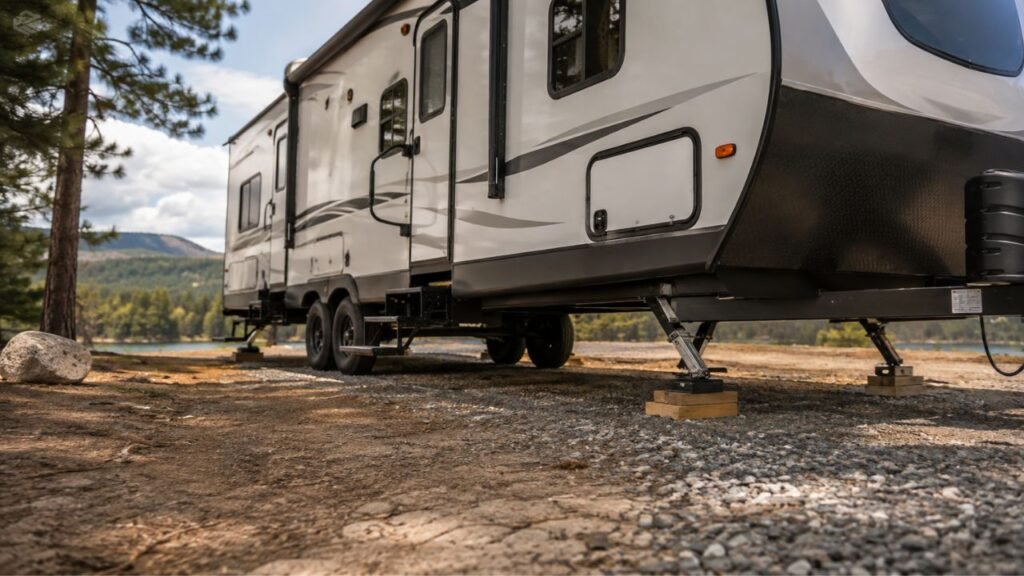
If your RV stabilizer jacks are not steady, the usual causes are overextension, soft ground, uneven jack pressure, suspension movement, or loose jack hardware. Stabilizer jacks are meant to reduce rocking after the RV is level, not lift or level the RV itself.
In this guide, I’ll help you figure out where the movement is coming from. We’ll also go through simple ways to make your RV feel steadier without putting unnecessary stress on the frame or stabilizer system.
Key Takeaways
- Stabilizer jacks should support stability, not level your RV.
- Extending the jacks too far can make them flex more.
- Soft dirt, gravel, or asphalt can let jack feet sink.
- Uneven contact pressure can leave one corner moving.
- Tire and suspension movement can feel like jack instability.
- Blocks under the jacks can reduce extension and improve support.
- Recheck your stabilizers after the RV settles at the campsite.
- Bent arms, loose bolts, or damaged hardware need inspection.
Quick Diagnosis: What Kind of RV Movement Are You Feeling?
Before tightening every jack again, try to identify exactly how your RV is moving. The direction and location of the movement can tell you whether the stabilizer jacks are actually causing the problem.
| What You Notice | Likely Cause | What to Check First | Possible Fix |
| RV rocks front to back | Tire or suspension movement | Wheel chocks | Improve wheel chocking |
| RV moves side to side | Long jack extension or frame flex | Jack extension | Add blocks under jacks |
| One corner feels loose | Uneven contact or settling | Individual jack foot | Re-snug that jack |
| Jack sinks slowly | Soft ground | Surface under jack | Add a wider solid pad |
| Floor bounces in the middle | Frame or suspension flex | Trailer length and axle area | Consider extra approved stabilization |
| Jack twists while loaded | Loose or damaged hardware | Bolts, arms, brackets | Inspect and repair |
| Electric stabilizer struggles | Electrical or mechanical issue | Battery, motor, wiring | Troubleshoot system |
What Causes RV Stabilizer Jacks to Feel Unsteady?
Several different problems can make stabilizer jacks seem ineffective. Sometimes the jacks themselves are fine, and the movement is actually coming from the tires, suspension, ground, or RV frame.
Your Stabilizer Jacks Are Extended Too Far
One of the most common causes is simply extending the stabilizer jacks too much.
A long scissor jack has more opportunity to flex than a short one. Think about holding a ruler from one end. It bends more easily when most of its length is unsupported.
The same idea applies to stabilizer jacks.
If there is a large gap between your RV frame and the ground, place proper RV jack blocks or sturdy pads underneath. This lets you extend the stabilizer less while still making firm contact.
Try to keep the extension as short as practical for your setup.
Do not build a tall, unstable tower of loose blocks. The base should always be wide, flat, and solid.
The Ground Under the Jacks Is Soft or Settling
A stabilizer can feel perfectly tight when you first set up camp and become loose several hours later.
This often happens on:
- Grass
- Loose gravel
- Damp soil
- Sand
- Soft dirt
- Hot asphalt
The jack foot puts pressure on a relatively small area. If the surface underneath compresses, the jack moves downward slightly.
Even a small amount of sinking can bring the rocking back.
I recommend putting a solid stabilizer pad under each jack when the ground looks questionable. A larger footprint spreads the pressure over more surface area.
This also helps keep the stabilizer foot cleaner.
The RV Wasn’t Leveled Before You Stabilized It
Your stabilizers should be one of the last parts of campsite setup.
First, level the RV using the proper method for your type of rig. Then secure the wheels and deploy the stabilizers.
A basic setup sequence looks like this:
- Level the RV side to side.
- Secure the wheels with appropriate chocks.
- Level the RV front to back.
- Put pads or blocks under the stabilizers if needed.
- Lower the stabilizers until they are firmly snug.
Trying to correct an unlevel RV with stabilizer jacks puts loads on them that they were not designed to handle.
It can also twist the frame or make the RV feel less stable.
Your Wheels and Suspension Are Still Moving
This catches a lot of RV owners by surprise.
You can tighten every stabilizer correctly and still feel movement inside.
That happens because your trailer is still resting primarily on its tires and suspension. The springs, equalizers, tires, and other suspension parts can move slightly when someone walks around.
You may notice this as a gentle front-to-back rocking motion.
Proper wheel chocks are important here.
On tandem-axle trailers, some owners also use between-tire locking devices to reduce certain types of tire movement. These can help, but they are not a substitute for standard wheel chocks or stabilizer jacks.
The Stabilizers Don’t Have Even Contact
Walk around your RV and check each stabilizer individually.
You may find that three are tight while one has barely any pressure against the ground.
This can happen because of:
- Uneven campsite surfaces
- Different block heights
- Ground settlement
- RV settling
- Weight shifting inside
- Slide-out deployment
If one stabilizer feels loose, bring it back into firm contact.
You do not need to keep tightening until the RV begins lifting. You only want to remove the slack and give the frame additional stability.
Slide-Outs or Interior Weight Changed the Load
Your RV may settle differently after you extend the slide-outs.
A heavy slide can shift the weight distribution slightly. That can change the pressure on your stabilizer jacks.
You might set everything up perfectly, extend the slides, and later discover that one jack is no longer as snug.
The same thing can happen after filling tanks or moving heavy gear.
After your campsite setup is complete, walk around and recheck the stabilizers.
Follow the setup sequence recommended in your RV owner’s manual because slide procedures can vary between models.
A Stabilizer Jack or Mounting Point Is Loose or Damaged
Sometimes the problem really is the jack.
Look closely at the stabilizer assembly if one corner moves much more than the others.
Check for:
- Loose mounting bolts
- Bent scissor arms
- A damaged footplate
- Worn screw threads
- Binding joints
- Heavy corrosion
- Cracked brackets
- Distorted mounting points
A jack that visibly shifts at the frame connection needs attention.
Do not solve a damaged stabilizer problem by simply tightening harder. That can make the damage worse.
If you use electric stabilizers, unusual motor noise or repeated stalling can also point toward a mechanical or electrical issue.
Your RV Frame Is Flexing Between Support Points
Long travel trailers can still have some movement even when the corner stabilizers are working correctly.
The stabilizers may be far apart, while people are walking in the middle section of the RV.
That allows the frame and suspension area between those points to move slightly.
This often feels more like floor bounce than corner rocking.
In that situation, repeatedly tightening the four corner stabilizers may not solve the problem.
Additional manufacturer-approved stabilization may help on certain longer RVs.
How to Make RV Stabilizer Jacks More Steady
You can solve many stability problems without replacing anything. The key is giving the stabilizers a solid foundation while keeping their extension reasonably short.
- Park on the firmest part of the campsite.
- Level your RV side to side first.
- Chock the wheels securely.
- Level the RV front to back.
- Place solid pads under the stabilizer feet.
- Use blocks to reduce excessive stabilizer extension.
- Lower each stabilizer until it contacts the pad firmly.
- Add only enough pressure to remove looseness.
- Complete your slide-out setup as recommended.
- Recheck every stabilizer after the RV settles.
I usually recommend walking around the RV one more time after you have been parked for a while.
A jack that was firm during setup may need a small adjustment later.
How Tight Should RV Stabilizer Jacks Be?
RV stabilizer jacks should be firm and snug, but they should not be tightened enough to lift the RV.
Once the foot contacts the pad, continue only until the slack is gone and the stabilizer is applying steady pressure.
You are trying to reduce movement, not transfer the entire weight of the RV onto the stabilizers.
Over-tightening can place unnecessary stress on the jack, mounting bracket, and RV frame.
It can also cause doors or cabinets to behave differently if the frame is being twisted.
There is no universal number of drill turns that works for every stabilizer system.
Follow the instructions provided for your specific RV and stabilizer model.
How Far Should You Extend RV Stabilizer Jacks?
There is no single extension length that applies to every RV stabilizer jack.
As a general rule, keeping the jack shorter tends to make the setup feel more rigid.
If the ground is far below the frame, place an appropriate RV block underneath rather than extending the stabilizer as far as it will go.
However, the blocks themselves must remain stable.
Use a flat base and avoid creating a narrow stack that could tilt.
Also stay within the extension limits specified for your stabilizer system.
If the jack is constantly near maximum extension at your usual campsites, carrying extra blocks may make setup much easier.
Why Do My Stabilizer Jacks Become Loose Overnight?
It is fairly common for stabilizer jacks to feel less snug the next day.
The ground may compress slightly beneath the jack pad. Gravel can shift, tires can settle, and suspension components can relax after the RV has been parked for several hours.
Temperature changes may also affect tire pressure slightly.
If you are parked on grass or dirt, ground settlement is especially common.
Walk around the RV the next morning and check each stabilizer.
If one has lost contact pressure, bring it back into firm contact.
Avoid turning the stabilizer into a lifting jack while doing this.
Do Stabilizer Jack Pads or Blocks Make an RV More Stable?
Yes, stabilizer pads or blocks can make your RV feel steadier when they are used correctly.
They help in two main ways.
First, they can reduce how far the stabilizer needs to extend. A shorter jack generally has less opportunity to flex.
Second, a wider pad spreads the pressure over more ground.
That becomes especially useful on dirt, grass, gravel, and asphalt.
On a hard concrete pad, preventing sinking may not matter much. In that situation, shortening the stabilizer extension may be the bigger benefit.
Use sturdy blocks designed to handle RV loads, and keep the stack stable.
Will Wheel Chocks or X-Chocks Stop RV Movement?
Stabilizer jacks are only one part of a stable campsite setup. Controlling tire movement can also make a noticeable difference, especially on travel trailers.
Standard Wheel Chocks
Standard wheel chocks help prevent the RV from rolling.
They should be used whenever appropriate before you rely on the stabilizers.
Good chocking also helps reduce some front-to-back movement.
The chocks should fit the tire correctly and sit firmly against the tread.
Do not depend on stabilizer jacks to prevent rolling.
Between-Tire Locking Chocks
Between-tire locking devices are commonly used on tandem-axle trailers.
They fit between the two tires and help reduce the amount of movement between them.
That can make the RV feel steadier when people walk around inside.
However, these devices do not solve every stability problem.
They will not fix:
- Soft ground
- Bent stabilizer jacks
- Loose frame brackets
- Excessive jack extension
- Significant frame flex
They should supplement your normal campsite setup rather than replace it.
When Do You Need More Than Four Stabilizer Jacks?
Some RVs naturally need more help than others. Trailer length, frame design, suspension movement, and the location of the existing stabilizers can all affect how much movement you feel.
Long Travel Trailers
A long travel trailer can flex between the front and rear stabilizer locations.
You may notice that the corners feel solid while the floor near the center still bounces.
Additional approved stabilization near the middle may help in some cases.
Never place a jack under a random frame location unless that location is approved for supporting the RV.
Fifth Wheels
Fifth wheels use a different support arrangement than many travel trailers.
The front landing gear or leveling system provides support at the front, while additional stabilizers may be used toward the rear.
Some fifth wheels still experience movement because of frame flex or suspension movement.
The correct solution depends on the leveling and stabilization system installed on your particular RV.
Frame-Mounted Stabilizer Braces
Stabilizer braces can reduce side-to-side movement by creating a more rigid connection between the frame and jack system.
These are often useful when your regular stabilizers are working correctly but the RV still wiggles laterally.
They are especially helpful when the movement comes from flex rather than sinking.
Additional Manufacturer-Approved Support
Some larger RVs may benefit from an extra stabilizing point.
However, placement matters.
The safest approach is checking your owner’s manual or contacting the RV manufacturer before supporting additional areas of the frame.
You do not want to place concentrated loads where the structure was not designed to carry them.
How Can You Tell If a Stabilizer Jack Is Actually Bad?
Setup problems are more common than complete jack failure, but mechanical damage does happen.
Watch for these warning signs:
- The jack arm is visibly bent.
- The footplate sits at an unusual angle.
- Mounting bolts move when the jack is loaded.
- The screw binds while turning.
- The jack skips or slips.
- The stabilizer will not remain extended.
- Grinding noises come from the mechanism.
- An electric motor repeatedly stalls.
- One side operates very differently from the others.
- Heavy corrosion is weakening the structure.
If you see obvious deformation or movement at the mounting point, stop relying on that jack until it has been inspected.
Stabilizer Jack Mistakes That Can Make Your RV Less Stable
A few common habits can make an otherwise good stabilizer system perform poorly.
- Using stabilizer jacks to level the RV
- Extending the jacks farther than necessary
- Over-tightening the stabilizers
- Setting them directly onto soft ground
- Using narrow or unstable block stacks
- Forgetting to properly chock the wheels
- Ignoring one stabilizer that repeatedly becomes loose
- Continuing to use a bent or damaged jack
- Assuming stabilizers should remove every trace of movement
- Ignoring the setup instructions for your RV
If you fix these basics first, you may find that you do not need any additional stabilization equipment.
Is Some RV Movement Normal Even With Stabilizer Jacks Down?
Yes, a small amount of RV movement can be normal even when the stabilizer jacks are set correctly.
Your RV is still sitting on tires, suspension components, a flexible frame, and several mechanical support points.
It is not anchored like a permanent house foundation.
The goal of stabilizer jacks is to make normal walking and movement inside the RV less noticeable.
You should not expect every tiny vibration to disappear.
If the RV feels reasonably solid but you can still detect a slight movement when someone walks across the floor, your stabilizers may be working exactly as intended.
When Should You Stop Adjusting the Jacks and Inspect Them?
Sometimes continuing to tighten the stabilizers is not the right answer.
Stop and inspect the system if you notice:
- A jack bending during setup
- A mounting bracket moving against the frame
- A screw mechanism binding
- Cracks around the mounting area
- Severe corrosion
- A powered stabilizer repeatedly stalling
- A jack that cannot hold its position
- One stabilizer suddenly behaving differently
- Severe RV movement after proper leveling and chocking
Mechanical problems should be repaired instead of compensated for with additional pressure.
Final Words
If your RV stabilizer jacks are not steady, start with the simple things first. Make sure the RV is level, the wheels are properly chocked, the jack feet have solid ground underneath them, and the stabilizers are not extended farther than necessary.
Then bring each stabilizer into firm contact without trying to lift the coach.
If the RV becomes steadier after these adjustments, your problem was probably related to setup, ground conditions, or normal settling.
However, a jack that bends, slips, twists, binds, or keeps losing position deserves a closer inspection. Fix the mechanical problem rather than tightening the stabilizer harder.
Related FAQs
Why Does My RV Still Shake With the Stabilizer Jacks Down?
Your RV can still shake because the tires, suspension, and frame continue to move slightly even after the stabilizers are deployed. Wheel chocking, shorter stabilizer extension, solid jack pads, and additional approved bracing can reduce this movement.
Should RV Stabilizer Jacks Be Fully Extended?
No, you usually do not want to extend stabilizer jacks farther than necessary. Using sturdy blocks underneath the feet can shorten the extension and often make the stabilizers feel more rigid.
Can I Put Leveling Blocks Under Stabilizer Jacks?
Yes, suitable RV blocks can be placed under stabilizer jacks to reduce extension and spread the load over a larger area. Keep the blocks flat, stable, and within their rated capacity.
How Tight Should Travel Trailer Stabilizer Jacks Be?
Travel trailer stabilizer jacks should be snug enough to remove slack and reduce movement. They should not be tightened until they begin lifting or leveling the trailer.
Why Does One Stabilizer Jack Keep Getting Loose?
One jack may become loose because the ground beneath it is settling, the RV has shifted slightly, or the mounting hardware is worn. Recheck the surface and inspect the jack if the problem keeps returning.
Should Stabilizer Jacks Lift the RV Slightly?
No. Standard RV stabilizer jacks are generally intended to reduce movement rather than lift the RV. Level the RV using the proper leveling equipment before deploying the stabilizers.
Do X-Chocks Make a Travel Trailer More Stable?
Between-tire locking chocks can reduce some tire and suspension movement on tandem-axle trailers. They can improve stability, but they do not replace standard wheel chocks or stabilizer jacks.
Why Does My Camper Move When Someone Walks Inside?
Walking inside can make the tires, suspension, and frame move slightly. Proper chocking, stabilizer setup, shorter jack extension, and additional approved stabilization can reduce the movement.
Do I Need Stabilizer Jack Pads on Concrete?
You may not need pads to prevent sinking on concrete, but blocks can still help reduce stabilizer extension. Shortening the jack can improve rigidity when there is a large gap between the frame and ground.
Can Stabilizer Jacks Damage an RV Frame?
They can place unnecessary stress on the frame if they are over-tightened or used for leveling. Stabilizers should provide firm contact and reduce movement without lifting the RV.
Should I Re-Tighten My Stabilizer Jacks After a Day?
It is a good idea to recheck them, especially on grass, dirt, or gravel. Ground settlement and RV movement can reduce contact pressure, so a small adjustment may be needed.

Ryan Mitchell writes for readers who prefer independent travel and practical outdoor motorhome living. His how-to guides and reviews focus on simplicity, durability, and real value. He brings a calm, hands-on perspective to every topic.